The Man Who Read the Classified JFK Files Speaks Out


Judge John Tunheim spent years leading the federal review board tasked with declassifying records tied to JFK's assassination. In this episode, he pulls back the curtain on what he actually saw — from Oswald's KGB files to disputed autopsy evidence, mob ties to Jack Ruby, and the deep culture of secrecy inside the CIA and FBI. Tunheim breaks down how the review process worked, what conspiracy theories hold up under scrutiny, and why full transparency on one of the most consequential events in American history is still an uphill battle. A must-listen for anyone who's ever wondered what really happened on November 22, 1963 — and why we still don't have all the answers.
Moore to Consider
Jack Moore: More to consider. We're here again, JFK Assassination. Today I have on the Honorable John Tunheim He is a federal judge, and he has a lot to do with the board review of the Kennedy assassination â records. After the movie JFK, Oliver Stone 91 comes out with the movie. There's a kind of a big move to say we still don't believe. America doesn't believe Oswald alone. They don't believe the Warren Commission, hadn't for years. There was a House Select Committee on Assassinations that
Judge John Tunheim: you
Jack Moore: Pretty much said the Warren Commission got it right, but oopsie, we've got a we've got this dictative recording that might say there's a fourth shot. We go through it. So judge, how are you, sir?
Judge John Tunheim: you I'm fine, glad to be with you today.
Jack Moore: And you're a native of Minnesota.
Judge John Tunheim: I am, northern Minnesota. I've spent most of my time here other than my stints in Washington.
Jack Moore: So you end up on this board review, you are the chairman of the board to review the records of the Kennedy assassination post the movie J F K. With ninety four, ninety five you did your work. Is that correct?
Judge John Tunheim: Yeah, we started in the fall of 94 and finished in the fall of 98.
Jack Moore: â you went that far okay, you went a few more years then. Okay, so did you have, you personally, did you have a real interest in the JFK assassination prior to this?
Judge John Tunheim: Well, I think everyone has an interest in the assassination of President Kennedy. It was such a seminal event in American history, and certainly I was alive when it happened, and I remembered it and all of the details of it. And President Kennedy was a president that I admired. â But I didn't have any particular expertise in the assassination itself. I had attended a few lectures, read a couple of books.
Jack Moore: Mm-hmm.
Judge John Tunheim: But when President Clinton â asked, I said, well, I don't really have any special expertise. And the response was, I'm glad to hear that because I don't want someone doing this who thinks they know exactly what happened. So that's how it developed.
Jack Moore: You know, that's how that struck me, right as you said that it was probably best. You have an awareness of the assassination. You're alive at the time, like you said. But if you throw somebody on the board that's either too pro-Warren Commission or too anti-Warren Commission, it's probably going to skew the facts. And I when in doing my thesis, I interviewed G. Robert Blakey. He was wonderful to me. He really was great. But in my discussion, he I love him. I love him. He and we became like pen pals after I dedicated my thesis in part to him and we stayed in touch.
Judge John Tunheim: Mm-hmm. Great man.
Jack Moore: And you know, he wrote the Rico statutes. He's a very â accomplished man. But I always did feel he says he didn't go in with any view of the mob potentially being involved. Then he wrote a book, of course, on the other side of it. And I think some would say he might have carried that kind of a bias into the investigation. I don't believe that because I think he did go in thinking, â the mob would never be involved with this. Came out of it thinking they probably were. But you're saying you had no preconceived notion. So let me ask you. Going into this that President Clinton had appointed you or requested your appointment to, did you have any kind of like, boy, I'd like to disprove the single bullet theory or I'd like to figure this out? Or were you just going in totally objective? I just want to find out what we can find out.
Judge John Tunheim: Yeah, I went in entirely with an open mind. I I obviously recalled what the Warren Commission had done, what the House Select Committee had done. I'd seen Oliver's movie â and his plea for records at the end of the movie when it was in the theaters. And I just I told everyone I have an open mind. If you think that there is something we should look for that might be related to the assassination, tell us.
Jack Moore: Mm-hmm.
Judge John Tunheim: We're not going to say, no, that's not possibly related. We're not going to look for that. We'll look for it. A good example is, you know, people would say that President Kennedy was killed because he was going to change Vietnam policy. Well, we found all the remaining still classified records that related to his Vietnam policy. I don't think that's a legitimate answer, but we found that and we released that. That's kind of an example of Keeping an open mind, whatever someone suggests, well, we'll look into that. And I think that was the best way to approach this.
Jack Moore: You know, one of the things that in my thesis, â on September second, nineteen sixty-three, CBS news went from for for those of that kind of want to know the history on this, it used to be the 15 minutes of national news and 15 minutes of local news made up a half hour. And so CBS on September 2nd, 1963, they go to Hyannisport and Cronkite sits with Kennedy. And one of the things I discussed They flash on the screen that the number of American personnel dead in Vietnam at that point was 88. So there are 88 Americans that had lost their lives at that point. And Cronkite says, What do you think? And Kennedy's like, Well, ultimately it's their war. They have to win it or lose it. Moments later, he said, but those that say get out are wrong. And I've heard historians say, just not that he was a master politician or something. He's a little bit, I'm not really sure where this is going. But he doesn't want to give the appearance with one year away from the election of 64 that he's gonna tuck tail and run. But he certainly must have been considering a wholesale pull out of Vietnam or a limited assistance. So I say that to say I get where people go this national security memorandum two sixty three and it's overturned days after his death. â it gives that appearance, it gives people a, â this is the reason why. But you're saying in the records, what would you say in the records? What
Judge John Tunheim: Yeah. Thank you. Yeah.
Jack Moore: What do you think the records suggest? Because I don't think Kennedy had a mind one way or the other at that point. I really don't. I don't think he's thinking of going one way or the other with Vietnam, but what do you think the records suggest on that?
Judge John Tunheim: Yeah. Well, I think the records don't suggest anything that he was planning on an escalation. I think he was more focused on the 1964 election and making sure that he didn't make a decision there that might affect those decisions one way or another, and perhaps leaving it for the second term, which is something presidents often do if it's a controversial decision. warn the Chinese, warn â everyone in North Vietnam that the United States is
Jack Moore: Yeah, and it
Judge John Tunheim: protecting the South Vietnamese, but not escalating to a point where â it was going to be a problem. And I think he assessed that it was going to be a problem.
Jack Moore: Well, and of course, on September second, it's just months ahead of ZM's assassination. And of course, that had a lot to do with what Kennedy thought twenty two days later, as he was leading up to his death. There's a mess in Vietnam and it certainly could have been triggering a lot of different views on what to do next. So I heard an historian once, I wanted to get your take on this too. I heard an historian the last ten years hit something that
Judge John Tunheim: Mm-hmm. Yes.
Jack Moore: I felt myself. I wrote my thesis in 93, and one of the members of my board review was William Whitehurst. God bless him. He's 101. And he's an old school establishment guy. And it comes from a time where there's so much bipartisanship. You know, he loved many Democrats. He was a Republican from the Hampton Roads area of Virginia. But at the end of my thesis defense, he goes, Jack, you had me. You thought Oswald did it. But there at the end, you kind of hedged your bets. And I said, I said, Well, Mr. Whitehurst, I'm still not sure of why he did it.
Judge John Tunheim: He
Jack Moore: I don't know that he didn't have some connection to something. So I can't, you know, definitively say no. And where I'm going with this historian, he said there's two major churches of the assassination. There's the church of the the grand conspiracy, Oliver Stone, the the chief priest was Mark Lane. Then there's the lone nut. And then he goes, That was Bulliosi, Gerald Posner. He goes, But there's a third lane. Oswald did it, but we don't know why. And I said, Well, that's me.
Judge John Tunheim: Yeah.
Jack Moore: 'Cause I think there's no question about the shooting part of it. So and I I did watch some some tapes of you or some other recorded interviews. There's no smoking gun as to Oswald being involved with anybody, fair.
Judge John Tunheim: That's true. That's true. I think I think there's a probably it's fair to state that there's a kind of an open record there that we really don't know much about Oswald. And we know about the trip to Mexico City. We know about, you know, the activities in New Orleans. We now know the CIA was following him pretty carefully and maybe using him for such some activities relative to Cuba. â So.
Jack Moore: Right.
Judge John Tunheim: to a certain extent some of those pages are starting to be filled in but it still doesn't prove anything one way or the other.
Jack Moore: Right. So I was in Dealy Plaza, I've been there a lot. I loved Alice, by the way, but I go there in ninety two I I go ninety, ninety two, and then ninety four and I run into a guy in nine
Judge John Tunheim: except when they beat the red skins.
Jack Moore: Yeah, but you know what? The older I get, I love Tom Landry in the end. I loved Roger Stauback because it's all part of the American. It was all part of the struggle, right? I mean, the fact that they were great and sometimes we were great, you know, yeah. But yeah, I just love Dallas. But I'm down there in 94 and I run into a guy and he tells me he was a page to the House Select Committee on Assassinations in 94. We run around, we go to the â Texas Theater, we go to the 1026th North Beckley Avenue, we run all over the place. So on the last day.
Judge John Tunheim: Yeah.
Jack Moore: I carry him to the airport. He's a pilot and he w wants a a ride so he didn't have to get a cab. And as he's leaving the car, it's pre-cell phone. We don't exchange information. I said, dude, what am I not going to learn for fifty years? Because you said you saw everything inside those hearings. And he leans back in the car and he goes, Jack, he's like, He did it. Problem is is his connections to military intelligence andor, you know, agencies of the federal government. So that always stuck with me because as things have been released over the last three decades.
Judge John Tunheim: Thank you.
Jack Moore: I keep feeling that there may be agencies, and I I have a friend of mine I do shows with, I argue with all the time. He thinks government bad, they're behind it. I said, yeah, but I also think you have to leave open the lane that, like you say, James Jesus Angleton is intercepting his mail in 59, you know, after he defects. So there's a reason to be chasing this guy around. He's a Marine, Asugi Air Base. Now all of sudden he wants to be, you know, in the Soviet Union. There's a reason to surveil him, but that doesn't mean they're controlling him.
Judge John Tunheim: Mm-hmm. Mm-hmm.
Jack Moore: Now I could see though when the shots are fired, you got people at agents like, â my gosh, we were chasing that guy around. If America ever found out what we knew, we're gonna look bad. Do you think that's where the weight of things go that the agencies were just doing CYA? That's really all that was happening?
Judge John Tunheim: Yeah. Yeah, I mean, I don't know that we've seen all of the CIA records yet. Certainly, they lied to us about records â all being released to us because they didn't release everything. â Joe Anides is the best example right there. They lied to us about the fact that he was â someone who was in the center of the work to kill Castro and to train their refugees. â
Jack Moore: Sure. Mm-hmm.
Judge John Tunheim: And I think there's maybe more to come. I've been surprised at how much has been coming out right now, finally. â But why they didn't turn that all over to us in 1998, when we asked for it and they certified that they had turned over everything. Possibly they just found something now that they didn't have before. I doubt it. â But I think largely at the time, following the assassination especially. and probably for years to follow, they were trying to cover their ass. I mean, I think that's entirely possible. Federal agencies do that all the time, and particularly here, where it's now been proven that they were indeed following him and they were indeed very interested in his activities, at least in New Orleans. And the FBI did the same thing. You know, they ordered that note from him to
Jack Moore: Mm-hmm.
Judge John Tunheim: the FBI agent flushed down the toilet on the day of the assassination. No one wants to be blamed for this. And I think we had a lot of that going on at that time. And that's still concerning today.
Jack Moore: You know, for the listeners too, this is another one of points, exactly what I argued. So James Hostie is this desk guy in the FBI office in Dallas that gets the sign, hey, go chase down Oswald, runs into Marina, can't find Lee, and then apparently at some point he leaves a business card. Now Lee Harvey Oswald is aware of Hostie and supposedly on on or about November eighth goes in and writes a note. Where's Hostie? He's in the field. Well, you tell him I said the following, leaves a note. Now the receptionist later said it was, I'll blow up the building if you keep messing with my wife. Hostie said, I was more like, I'm gonna go to the proper authorities. So on the day of the assassination, Gordon Shanklin, who was the field director, was basically, Hey, Hostie, it's come to my attention. You knew Oswald and he threatened this building and you didn't do anything about it? And he goes, Well, I get threats all the time, kind of downplays it. Now, Oswald's killed 48 hours later on on the 24th. And the story is Shankling calls him and goes, All that stuff with Oswald, no trial, get rid of it. So my friend says, you know, well, that clearly means they were con, you know, conspiratorially involved. I'm like, no, they're covering their head. They don't want Hoover in in DC upset with them because they were sitting there on a note that they didn't act on. That seems personal, you know, go ahead.
Judge John Tunheim: Yeah, they didn't inform the Secret Service that this guy was someone of interest and he threatened at least some level of violence. We don't know what it was. And he may have been the person shooting through General Walker's window as well. â That's what they were looking into what he had done. But they didn't want that to be part of the national dialogue, obviously.
Jack Moore: Right. Yes. Well, and I always thought too, and I wanted to take get your take on too, the whole ther you know, World War Three aspect because again, in arguing with this friend of mine, I was I was reading â Sheehan's book on cruel and shocking act, the story of really the investigation came out on the 50th anniversary of the Warren Commission. He said early on, Wagner Carr, the attorney general of Texas, called J. Lee Rank and said, You guys got a problem up in DC. What? He goes, There's a rumor around here in Dallas that he was an FBI informant. â Pay number and all of this. So they call an emergency meeting and Warren says basically, I'm going to call in Hoover and find out what he knows. And that Dulles kind of belly laughs and says, he's not going to tell you anything. And he goes, Well, of course he will. I'll bring him in, put him under oath. He goes, if he's a good agent, he won't tell you a thing. Now, of course, Dulles is sitting there the whole time knowing they were trying to kill Castro through the mob. He didn't volunteer that. And what I was explaining, no. And so
Judge John Tunheim: Yeah. He told nothing about that.
Jack Moore: I think there was a lot of it's it is a unique group of people that are called in to be on the Warren Committee. Richard Russell hates W Earl Warren. You've probably heard that call where Johnson's telling him he's appointed. No, no, Mr. President, please don't do that to me. I think most of them were either indifferent or literally didn't want to be there, but I think there were also some there covering for agencies. And I think that's kind of natural. Yeah.
Judge John Tunheim: Yeah. Mm-hmm. Well, certainly Dulles was. He knew a lot more than what was ever disclosed to the commission. And that seems unbelievable to me, but that's what happened.
Jack Moore: But at the same time, don't you think I don't know, where where people can come down on Alan Dulles, but is there a possibility? There's a lane that he's sitting there, it's like, Man, if I tell everybody what's really going on, the American people find out it could be Castro in retaliation, it could be the mob behind whatever's behind this. They're gonna ask for World War Three. They're gonna want an invasion of Cuba tomorrow. And we just came out of, you know, twelve months earlier, a Cuban missile crisis. This isn't gonna go over well for John Q citizen.
Judge John Tunheim: Yeah.
Jack Moore: I can understand where they would be like, This needs to be sheltered from the American people. But then the question is, does it at least tell does he at least tell the commission what's happening? Since he's a member.
Judge John Tunheim: way. Yeah, well, certainly they could have kept that quiet. â And Hoover, you know, announcing immediately that the assassin had been caught. was a lone assassin, acted alone. I mean, Hoover, Hoover wanted to know what really happened, but I don't think he wanted to wanted the American public to know if the signals started pointing toward the Soviets or the Cubans or organized crime. And that's why he sort of laid that line in the sand on day one. And â
Jack Moore: Mm-hmm.
Judge John Tunheim: And then a lot of what followed was what Hoover wanted.
Jack Moore: Yeah, and you know, when I did the show with Posner, he, you know, he was born in fifty-four. So he said he was in the fourth grade, Catholic school. He's in San Francisco. The nuns are crying, and he talked about that whole impact. But he said, Jack, I'm gonna tell you the truth, I was old enough to kind of take this in. And I thought when Ruby shot Oswald, â boy, they just shot the guy to silence him. That's that's what's went through my mind. And I know you know about the whole timeline that he's wiring money four minutes earlier. He's in his boxer shorts at ten o'clock when Oswald's supposed to be moved and he gets the call from the stripper to say, Come wire me money. So there's on the surface an appearance, it's a random act. But it also looks like a hit. What did in your research or in reviewing what you were able to review as far as the the records related to Kennedy's assassination, where did you come down on Ruby? Did you think it's just a random act or what do you think?
Judge John Tunheim: Well, you know, Ruby's an interesting character because his connections with the police, with the mob, in some respects made him sort of an ideal person to take on this job, so to speak. On the other hand, I think he was generally known as a blabbermouth as well. Someone who couldn't be trusted not to talk. And so there's shifting ideas there. I I think what they should have done was
Jack Moore: Mm-hmm. Yes. Mm-hmm. Yes.
Judge John Tunheim: Okay, Jack, you tell us everything and we will take away the death penalty. We might have known a lot more than if he had a further story to tell. I mean, he's alleged to have said that he had a bigger story to tell, but he'd be killed if he told it in Texas. I I don't know if he had a bigger story to tell. We haven't been able to find any existing records of his lawyers, which would be very, very good to find. The prosecution files now have been found finally in a closet in the district attorney's office, for goodness sakes. â But I don't know. I largely believe that it was a crime of opportunity, that he just saw the opportunity. He was coming to the police station at just the right time, and he did it. â There's just no paper trail. There's no... testimony. There's no suggestion from anyone that Ruby was part of this. The only thing that I saw in the records was a notation in the â FBI records of the Warren Commission that there were two of the strippers at one at Ruby's club. One of the clubs that he owned said. to the FBI that they had seen Oswald and Ruby together a couple of weeks before the assassination. But the trail ended right there. You Ruby's not talking, Oswald's dead. There was nothing more that they could do to substantiate that. And it just sits there. I don't know if it's true. know, people look like other people. It could have been someone else. But â I don't know. think, you know, if one believes that the mob was involved,
Jack Moore: Yes.
Judge John Tunheim: then I think you've got to look to Ruby to have played a role. But I don't think there's any direct evidence that the mob was involved either, other than some references by mob figures on their deathbed that I don't know that they can be believed.
Jack Moore: Right. I have a friend. I actually I went down for the fiftieth anniversary. I covered it for a radio station. So I go down in twenty thirteen and I'm on the school book depository steps the night before and I run into this guy and goes, Hey, what's your story? And we start he's from Minnesota. So he became one of my best friends. So he goes down and contacts Jim Lavelle, who was handcuffed to Oswald during the Oswald shooting when he was shot. And he speaks to him. He lived to be ninety nine. He's a Pearl Harbor survivor. He was at Pearl Harbor when he was twenty years old.
Judge John Tunheim: Mm-hmm.
Jack Moore: So he said, Can I come and speak to you? Yeah, they go have a steak dinner. And he said, What's your take on Ruby? He goes, I knew Jack. He was crazy as hell. He wanted to kiss up to all the cops, you know, and he always wanted some angles. He was that guy. He was known around town, â kind of weird in some ways. And then he said, What's your take on the shooting itself? And he said, Well, when I took him into custody and we ran him in the back, I had a few minutes alone. I said, Jack, what the hell are you doing? And he goes, â I'll be a hero. He starts off with that kind of thing, like, and I'll be a hero, Lavelle. And he said, How did you get in? And this was important. So for the listeners, the timestamp at Western Union is 1117 AM. He shoots Oswald at 1121. And again, he's there. George Senator's living with him at the time, a roommate. And he says he's in his boxer shorts eating cereal at 9 30. And Oswald's supposed to be moved to 10.
Judge John Tunheim: Yeah, yeah.
Jack Moore: This little Lynn from Fort Worth says, I didn't make any money this weekend because you shut down the carousel. I need money. Okay. He gets dressed, takes his docs and the dog, Sheba, which they said he would never would have carried with him had he known something was going to happen. He said he gets back to the street and goes, Huh, something's going on down the street. So he walks down. And according to Lavelle, he said, You know, officer so and so. And he goes, Yeah. He goes, well, he was out working traffic and they had to back a Brinks truck. They had an armored truck to move Oswald. It couldn't fit down the ramp. They're bringing that back. And as they're bringing it back, he sees a chance when this officer that he identifies is backing into work traffic. And then another officer is back in a police car. He names him. He goes, Well, when he pulls the car, I just walk right by down the ramp. And so he tells my friend, he's like, look.
Judge John Tunheim: Yeah.
Jack Moore: He nailed both of those officers. He absolutely identified who the two officers were and he knew them both. So he goes, that made me think a lot on that. And the other thing is, my friend said, What did you think about the whole thing? He goes, I thought in six weeks everybody'd forget it. I can't believe that 50 years later anybody cares because it was so open and shut to him. Now, of course, the listener on another side of it's going to say, like, well, of course he said that. He was all part of the conspiracy. He did say, though,
Judge John Tunheim: Yeah. Thank
Jack Moore: There may have been a certain contingent of the officers there that kind of like Attaboy Jack, he killed Tippet, he killed one of us. They weren't so upset about it.
Judge John Tunheim: Yeah, that's a really good point. â
Jack Moore: And I yeah, and I think that's part maybe what Ruby was thinking was gonna make him a hero among the cops. Who knows?
Judge John Tunheim: Well, he said he said to have made his first call to someone he knew in Hollywood to see if they could find someone to make the movie about him because he was so. Yeah, yeah, I mean that that gives you a little bit of an idea of the kind of person that he was. So it seems unlikely that, you know, after all these years we wouldn't have found out if organized crime had done something to to spur him into doing it. But you know, he was in that police station for much of the weekend.
Jack Moore: He'd already picked his own actor. That's true. Well, that's another thing I said to a friend. He famously, Henry Wade was like, Yeah, that Oswald was â doing something in New Orleans, that Cuba thing. He goes, Fair play for Cuba committee. â yeah, yeah, that's it. And he speaks up and he's like, How does he know that that night? So he's and a friend of mine said, Well, he he wasn't packing. I said, There were no metal detectors in 63. He had a gun on him all the time because he carried large amount large amounts of cash. So why didn't he shoot him Friday night during that lineup when they when they showed him in front of the press? If he was on a suicide mission because the mob said do it, why not do it Friday night? Oswald had 48 hours to spell at least another 30 plus hours to speak. And if you got to make sure you and another thing is, why'd you let him leave the school book depository alive? Now, and that's where people say, well, Tippett, that's where Tippett was coming in. Tippett was there to try to pull him over. But Tippett gets out of the car nonchalantly, turns his back to him, and lets him shoot him across the hood of the car. He doesn't act like somebody really afraid of him. So
Judge John Tunheim: Yeah, he just, he heard the description and he thought, well, this guy looks a little suspicious here. Let me see what he's up to. Yeah.
Jack Moore: Yes. Sure. Sure. And he didn't play it like a cop that knows if this is the assassin or he's got, you know, pretty good idea. He played it all and I'm not being critical of Tippett. It's nineteen sixty-three, it's a different time, but it certainly didn't seem like he played it like he was that afraid of what the result would be. All right, let me ask you.
Judge John Tunheim: Yeah, I think that's right.
Jack Moore: Well, so if we get into all the big stuff, you know you know this. I was absolutely convinced of the single bullet theory years ago. We can get into the Oswald. I think the randomness of taking a six point five millimeter war surplus 1940 Italian bolt action rifle to do the shooting screams of randomness. Now, of course, the can people that believe in conspiracy no, no, they had the marksman with the higher grade of weapon coming, but that's not what the ballistics show. That's not what the forensic evidence shows. He's shot by that rifle. So that being
Judge John Tunheim: Yeah, it was.
Jack Moore: Right. So that being said, we're probably on this we're on the same page as far as the shooting, but we do see an autopsy performed by naval doctors who just because of the nature of the military service don't see gunshot wounds as much. Fink is there, who is army, but it's kind of a controlled autopsy. There's a lot of confusion. It's a lot of confusion between Parkland and what what they do at Bethesda. So
Judge John Tunheim: It is.
Jack Moore: I don't want you to say anything you can't say, you don't feel comfortable saying, but you got to see some of the medical evidence, fair to say, to whatever degree. So you were con mm-hmm.
Judge John Tunheim: Yeah, yes. Yeah, and we took â the remaining photographs. By the way, there were only about 14 or 15 that are left at the National Archives. There were, we determined, about 85 photographs that were actually taken during the autopsy, â and the rest are missing. I mean, no one has found them. â And that's always a little bit suspicious why some of them, I mean, it could be a
Jack Moore: Hm.
Judge John Tunheim: personal privacy sort of thing, who knows? They did not follow appropriate hands â after the autopsy. But they were not experienced â pathologists at the time. â I think what we, we had an experts conference. It wasn't really a conference because we called in three experts to review the photographs and the x-rays.
Jack Moore: Right. Right.
Judge John Tunheim: And you just wanted them to say what they saw. And Henry Lee was one of the three from Connecticut, guy from San Antonio who is an expert on gunshot wounds. And they spent a lot of time looking at everything. I sat back in the corner of the room. I'm not an expert on any of this. And they were convinced that the back wound was an entrance wound because it's now digitalized. â It's not the faded 1960s photographs that we
Jack Moore: Mm-hmm. Mm-hmm.
Judge John Tunheim: pulled out of the National Archives, but they're digitalized, so they're more precise. And the head shot they described as hitting the president on the top of the back of his head, from the back, and trenching, they called it a trenching wound. And their view was that it didn't, it was likely that the bullet itself did not touch his brain. But it broke his skull, of course. You see the flap come open there.
Jack Moore: Right. Yes.
Judge John Tunheim: which was folded back by the time they were doing the autopsy. And probably, you know, substantial damage to his brain just from the shock waves of the bullet going through. But that's what they saw. And they saw, you know, we didn't have them look at anything relative to Connelly. I've always wondered whether there are bullet fragments in Connelly's wrist, but â that subject was not... â
Jack Moore: Exactly.
Judge John Tunheim: something we can do anything about because the family would have to approve an exhumation and they were not about to do that. That would have shown us that that bullet that was found on the stretcher or in the cushion of the car or wherever it was found â was not that pristine bullet that â it wouldn't have been a pristine bullet because it would have had a piece out of it if there were bullet fragments in his wrist.
Jack Moore: Right.
Judge John Tunheim: I think that's a question that's of interest.
Jack Moore: Well I'll research it again just to make sure now that I'm throwing this out here in the podcast, but my memory was there were particular fragments taken from Connolly's wrist during the surgery because he had the fractured wrist. And that later, and you can see it in Commission Exhibit three ninety nine, the single bullet today that's at the archives, I think, in College Park, Maryland. You can see there's a little dugout into the soft lid at the base of the bullet, and that was to do an examination. of the materials in both those fragments from Connie's wrist and that and they match perfectly. So the composition of any batch of bullets is supposed to be across an array, different, you know, elements, you know, different percentages, but these match. So it means, according to the experts, it doesn't have to be the bullet, but it could be the bullet. Now, the thing that convinced me, and and I talked to Blakey about the yeah.
Judge John Tunheim: Yeah. Yeah. The problem was that the FBI dug a little bit into it to find out whether it had a lead core.
Jack Moore: Mm-hmm. Well, and and I re I remember when I talked to Blakey, he literally in seventy, I guess, seventy-seven to seventy-nine, somewhere during the â during the commission hearings or during the â House Select Committee â on assassinations hearings, they had Conley in and he was in a room because it was very awkward. He told me this, he said, I said, Mr. Conley, do you mind if I see your back? And he goes, â okay, takes his shirt off, and there is this long jagged scar.
Judge John Tunheim: Copper jacketed, yeah.
Jack Moore: And it's not neat and circular like you would normally associate with a clean entry, the bullet's in yaw. It's tumbling. And that and the fact that they discovered that frame 224 failure analysis in 93, putting together a mock-up for the American Bar Association and putting together like a computerized â recreation of the assassination and examining the the Zapruder film, they're like, oopsie, we just noticed something no one ever noticed. His lapel jumps off his chest at 224.
Judge John Tunheim: Mm-hmm.
Jack Moore: So many Josiah Thompson I love, but years ago, he was like, â Connolly's not struck till 238. Kennedy's reacting earlier. It can't be the same shot. Well, now if you watch it on a loop, yeah, exactly. So that's happening right as Kennedy's arms are coming up. So I think when you see it, and I've seen it on a loop, when you watch it over and over and you kind of train your eye, you see Kennedy's reacting the lapel. It's happening. Okay. So if we accept that, another thing, Pepper Jenkins, one of the
Judge John Tunheim: Yeah, the famous flip, the famous lapel flip. Yeah.
Jack Moore: Parkland hospital doctors, all of these people have passed away in the last decade. Some of them were 90 years old. But he was at a seminar in like the late 90s. And somebody said, Can you explain the headshot and the slight movement forward and the rear backward? And he said, Well, when we took off his clothes on the examinating table, I could examination table or in in â trauma room one, I could not believe the back brace. It was up to his sternum. It was Ace bandages wrapped around his lower to hold this big back apparatus. He said he could not have gone forward in that car any way, shape, or form. So you hate to say it, but after the first shot, which also may have gone near his spinal column, he was basically frozen, paralyzed in that position, headshot. He goes back and then to the left because he can't go anywhere else because of the brace.
Judge John Tunheim: Yeah. Yeah. Yeah, we could not slump over.
Jack Moore: Right. And of course I think Jackie, what Theodore White said, I always wondered about this and I think in in her discussions with him just post assassination, she was always like, Why don't I just pull him down? Because she doesn't know what's happening. She's looking into his eyes, what's happening, headshot, which is horrible. Now, another one of course I know you've heard a lot and I'm sure you've addressed a lot is what happened to the brain and does it matter?
Judge John Tunheim: Yeah. Yeah, OK, here's my theory. This is just my theory, because I don't have an answer on this. I looked at there's a there's about 120 or so photographs taken by the White House photographer Cecil Stoughton the night that they moved. â President Kennedy's grave to its current site. 1967 maybe I'm not sure exactly the year and.
Jack Moore: Mm-hmm. seven, I believe it was nineteen sixty seven. It was. It was sixty seven, yep.
Judge John Tunheim: And Senator Edward Kennedy is there and he's holding a small box. It clearly wasn't like a child coffin like one of the children is buried there as well. It was a small box. My theory is that they buried it with him when they moved him to the â site. That's my theory. I see that picture holding the box and I don't know that those photographs have been released. I don't know. They really weren't.
Jack Moore: Mm-hmm.
Judge John Tunheim: directly related to the assassination. I saw them and that's my theory on it. That it was kept for further examination and then what do we do with it? Well, let's just bury it in the grave with the president.
Jack Moore: I remember hearing some stuff too about there was almost like a metal canister type of container at one point. And at one time it was in the care of Evelyn K â Lincoln, â Kennedy's personal secretary. Then I heard Bobby Kennedy, of course, he's killed in sixty eight. So at that time of â Kennedy's gravesite being moved in sixty seven, he's still around. But I've seen the pictures you're talking about. I believe it all went on at night. It was late at night. They had flood floodlights. Yeah. So I had heard that Bobby was like, This is gonna end up as a display, some grizzly display somewhere, something we've got to get the remainder of his brains buried with him in a separate canister, whatever. And I agree with you, that makes the most sense.
Judge John Tunheim: That may, that's, you know, if any of us were Bobby Kennedy in that instance, what do you do with your brother's brain? Well, you want it buried with the body, right? I mean, that's just, that seems logical. And you can see that whether it's a box or a canister or something that Senator Kennedy was holding at the time. I think that's it. That's just my theory on it.
Jack Moore: So what is in having this opportunity to again, I I well, I want to say this too, and then the listeners have heard me say it before. As is, you know, the rank and file American I am, like most every other American, I really think Oliver Stone is one of the most wonderful creators of movies ever. And I think he's a patriot. So when JFK came out, I could see the holes in it. I'm like, well, that's not quite right. And that's not quite okay, but you're bringing up. And he said, I'm making a counter myth to the Warren Commission. He said that.
Judge John Tunheim: Yes.
Jack Moore: I don't I don't ha I can't substantiate a lot of this, but but I think he's seeking the truth. That's why I said Josiah Thompson earlier. I th I I thought he's I think he is a wonderful man. â I think to some degree Garrison had probably some things that he thought he was reaching for greater purposes. That being said, that JFK definitely almost right at 30 years triggered another whole wave of investigation or at least investigative thought. â
Judge John Tunheim: Yeah. Yeah.
Jack Moore: You got a chance to be a little bit more inside than most would ever be. And again, to the degree you feel comfortable. We just met, I don't want to put you on the spot, but â did you feel like coming out of it? You had a better view of the government, less of a view of the government? â did it did it kind of shake you up a little bit or how did you feel coming out of of of the review?
Judge John Tunheim: Thank Well, my biggest reaction is that we protect way too much material. â There is so much that we classify and keep secret. classifying a document, unless you have a president who's in favor of opening a lot of documents, it sits there classified for a long period of time. And think about if you're a classification
Jack Moore: Mm-hmm.
Judge John Tunheim: agent at the CIA, for example, and you look at a document and say, I don't know if this should be classified. That's really very important. And you think, well, what if I guess wrong and this shouldn't have been released? Who's going to get fired? Me. Who's going to get dragged before a congressional committee? Me. Stamp classified on it. I mean, that's the way it all works. And I think that we classified way too much material, particularly involving the death of a president.
Jack Moore: Right, sure.
Judge John Tunheim: where everything should have been released right away. Because the American public has a right to know. And that was what I felt afterwards. And fighting with agencies, know, the way the process worked was they were to bring all of their records in, and they didn't do it all at once, but they came time time. And then they would give us their rationale for keeping it classified. Most of the time, we didn't buy the rationale, and we declassified it.
Jack Moore: Mm-hmm.
Judge John Tunheim: and we had the right to do that, only the president could overturn us. And a lot of these records that they wanted to keep classified didn't make any sense. There was no reason to do so. There were a few, and we did redactions of some material, but most of the redactions we put a release date on because we felt that after that particular date, there'd be no further reason for protecting it.
Jack Moore: Mm-hmm.
Judge John Tunheim: It's a good question, but that was my biggest reaction that we should have a much better â policy for how we classified materials and have a regular review of all materials that should be declassified, especially if it's an important issue like this one.
Jack Moore: So I remember seeing â you know, with the split in the Trump â two terms, I I don't know, somewhere, I guess, maybe even the twenty twenty four election cycle, I'm watching a show with Judge â Andrew Napolitano. And he's talking to this guy and he says, Hey, and I call up Donald when â he's packing his stuff finally in twenty twenty one in January to get out, and I said, You failed on one of your promises. And he goes, I'll take care of it right now. What do you need to do? He goes, You said you were going to release all the Kennedy stuff. And he said, if you heard what I heard when some of these people came in, and he said, Look, he's not a feint of heart guy. And he goes, he sounded scared. He goes, first of all, we're gonna have to talk off these lines. I'm gonna have to, I'm gonna have to meet you face to face. But if you saw and heard what I heard and the rationale they had to not release everything, you wouldn't have released it either. When it's always like, what the hell was that about? kind of thing. So
Judge John Tunheim: Mm-hmm.
Jack Moore: To your knowledge, what's left? I think I saw where you said was it like three thousand pages of documents left at this point?
Judge John Tunheim: You know, I don't know exactly. mean, there should be nothing left that we protected because our redaction dates and then we had some records that we thought would be released in 2017 at â the 25th anniversary. We assumed that there'd be nothing left to be released at that time. But now we're seeing some new records coming from the CIA that they did not turn over to us. â
Jack Moore: Okay. Yes. Mm-hmm.
Judge John Tunheim: I'm suspecting there's probably more. Nothing that's come out so far would fall into what I would describe as we'd be so shocked. â We shouldn't be shocked that the CIA had been trailing him, particularly in New Orleans, because they were right in the middle of this Castro, anti-Castro stuff that was going on, and they were likely following his little dispute, his radio debate that he had.
Jack Moore: Yeah. Mm-hmm.
Judge John Tunheim: â That's not a surprise. We should have had all that material years ago. â So if the president thinks that there's something that's really, really shocking, I don't think we've seen it yet. And we certainly didn't see it as a board, even though they certified that they gave us everything, which obviously was not the truth.
Jack Moore: Well, that answers the question. So when you go to the board, your understanding going in under this appointment is that you guys are supposed to see everything and determinations are supposed to be made on what gets released publicly now or not. And now you know you didn't even get to see everything. Fair? They held back stuff.
Judge John Tunheim: That's fair. I we saw a lot of stuff. We reviewed, I personally reviewed about 300,000 pages of material over that period of time and staff reviewed a lot more when you add it all up and there's close to 6 million pages that are available now at the National Archives. So this is a huge catch of records. â We were very concerned about this and we were on the hunt for everything that we could find and making requests to the CIA. We've heard this record exists. Do you have this? And we had that back and forth. They signed documents at the end that they had disclosed everything. They agreed to disclose promptly anything, any new records that were found. And clearly they didn't follow that â agreement with us.
Jack Moore: Right. Mm-hmm.
Judge John Tunheim: We weren't around to enforce it anymore. We had hoped the National Archives would enforce it. They didn't. They had just become a passive collector of whatever someone sends to them, rather than an agency that continues to enforce the law that's still on the books. It requires disclosure.
Jack Moore: So it would be fair to say then, 'cause this is one of those I think on the street assessments of what came out of your board review, then it was this magical twenty seventeen that whatever was left by that time should be released. Trump then assumes office and that doesn't happen.
Judge John Tunheim: It doesn't happen in part because I know what happens at these meetings because we had plenty of meetings with the CIA people who are the censors, who are the people running operations overseas, the lawyers with them. They come in and they paint this picture of what will happen if we release a particular record. And you got to question them carefully.
Jack Moore: Mm-hmm. Right.
Judge John Tunheim: Most of the time, we just didn't believe them that there would be any harm in any of the categories that we had to look at. Because first of all, it was a balancing test. They had to prove by clear and convincing evidence that one of these categories overcame the public interest in the record. We assumed there was enormous public interest in every single record because it was the assassination of a president. And so therefore, they had a high bar to reach.
Jack Moore: Mm-hmm.
Judge John Tunheim: And most of time they couldn't reach the high bar. Maybe at some point in time they gave up and they thought, well, we're just going to release them everything. So therefore we're just not going to bring this stuff to them. We're just going to outlast them because we know this is a temporary organization. And by the way, I think that was a problem. None of us on the board wanted this thing to run for 10 years, but at the same time, the fact that we had three years and then we got an additional year from the Congress. because we got started rather late. â And â because of that, â everyone knew when this was ending. We were losing staff toward the end. They're going to other jobs. â And â you could outlast us. mean, that's a normal human reaction. â well, we'll just wait three months, and they won't be here anymore, and we won't have to worry about this. And I think some of that clearly happened.
Jack Moore: Mm-hmm. Right, right. Just So in some of these like hearings in Congress in the last twenty four months or so and and would I think since this second Trump term, you know, the calling in â Stone again and some of these other â people on that side of the â conspiracy angle, it would be fair to say the last aspect of government can push for compliance is Congress. Yeah, and they can just yeah. But
Judge John Tunheim: Right, absolutely. Yeah, I mean, the problem, there is a problem in the sense that these are technically executive branch records. So you've got a separation of powers issue. If a president wanted to say, I'm not releasing any of this, this is too important, it's not gonna be released, really not too much that the Congress can do about that or the courts can do about that because they are
Jack Moore: Mm-hmm. Right. Right.
Judge John Tunheim: their presidential records. The president has control. But we were fortunate during the time we worked, President Clinton was very much in favor of disclosure of everything. He did not reverse our decisions once, even though he had the right under the statute to reverse any decision that was appealed to him. George H.W. Bush opposed this law, finally signed it because it had become a campaign issue.
Jack Moore: Uh-huh.
Judge John Tunheim: in 1992. But whether he would have seriously enforced it or not is a question. I think that's an open question. Yeah, yeah.
Jack Moore: Given his history given his history with his alliances to certain agencies, I d yeah
Judge John Tunheim: Absolutely. Absolutely. you've got different, you know, think what's, it is refreshing about Trump that he wants all this stuff released, but at the same time, he doesn't, you've got to realize that the CIA in many respects has an interest in not releasing certain information because it reflects badly on the agency, whether, I don't even know what it would be, but it would reflect badly in the agency if they don't want to release it. And he's got to understand that. if they come in and say, â this is going to happen, it's par for the course. That's what they do.
Jack Moore: Well, in the basket of things you could imagine, some seem to rationally be out of question. Like people are still around. I mean, for the for the person that was 40 to have been involved in the assassination or in that range, they're a hundred years old, you know, but are there people that were around young? Like if Oswald was alive today, he'd be what in his late eighties, if he was alive today. So there are very few people around that you could imagine that were directly involved in the assassination investigation, therefore the rest. So the only other thing you can think of as Joe Q Citizen would be the CIA's trying to cover up maybe a long history using that as one agency, maybe FBI as well, other agencies of the federal government. They have a long history of doing things certain ways and they don't want this history revealed because the connection to today might be we still do this stuff. I think, I mean
Judge John Tunheim: Mm-hmm. That's an argument that they make. I this is still a method of gathering intelligence that the public generally doesn't know about. Or this is still the Secret Service would say, this is still how we protect the president and the public doesn't know about it. Those are the arguments that they make that release a disclosure of this material. I'll give you an example of a State Department issue. â And the CIA was involved in this too. â There are lot of Mexican records in the files because of Oswald's trip to Mexico City, obviously. â There is the details of the sharing agreement among the Mexican government, the United States government, CIA, FBI, all these arrangements for not only sharing information, but for agreeing to bug the embassies for us. The Mexicans were involved in that. â The State Department had a long list of people coming in to tell us that if we disclose this, the political party, â was it PRI or whatever the party was, I forget, they were in control for 70 years, still in control in 1990s. If this is disclosed, that they dealt directly with the CIA and the FBI to do this, the party will lose power immediately and that will be detrimental to the United States. We protected some of that information until 2017. I think we even set an earlier date for release there because of that representation. Now that party doesn't exist anymore. There's no reason to protect that party anymore. In 1997, that was a reason to protect them because we had good relationships with that party. So those are some instances of a claim made that we bought at least up to a point.
Jack Moore: So all in all, this work that you've done that the things that you were able to observe, I don't know, you know, you've got a decade on me. â given your bio that I saw, you you and I are about a decade apart. You and I grew up in a different America, you a decade ahead of me. I was a year and a half when Kennedy was shot. I don't see the same America. I don't know that it was any less divided in some ways. We just didn't have the same social media. Matter of fact, when I did the show with Posner,
Judge John Tunheim: you
Jack Moore: I mentioned that on the night of the assassination, there's a guy that has a channel on YouTube where I think he's unearthed every recording of every major network relative to the assassination. And he found a Boston radio station. It's 10 hours after the assassination. And this talk show host hosts late at night in Massachusetts, Boston, has this guy on who definitely leans politically left and he's an entertainer.
Judge John Tunheim: Mm-hmm.
Jack Moore: And he's already saying the crazy right wingers in Dallas are behind it. And of course, Oswald's been arrested. But the point I made to Posner is if you listen to these two guys discussing this on the night of the assassination, they're like, we gotta stamp out hate speech. We gotta stop the crazy right wingers in the South. And and it sounded so much like today. I think we think we're that much separated from that things are uniquely divided today. But to listen to those guys that night.
Judge John Tunheim: Mm-hmm. Mm-hmm.
Jack Moore: It it it didn't seem any different. And it's crystal clear and it sounds like you're sitting in the same room with them and it gives you this like, wow, nothing's really changed. But I do think now we have so much more know clearly we have more knowledge of what the government has done kind of behind our we we trusted Cronkite, you know. We we didn't know what he knew that he didn't actually tell us. â you know, the Gulf of Tonkin incident, you know, when you find that out, you know, the Pentagon Papers.
Judge John Tunheim: Yep. Mm hmm.
Jack Moore: So there's just been this history of things that we've discovered about our government and the fact that they're using their own influence in the executive branch or maybe other branches of government to s cover it up seems kind of scary.
Judge John Tunheim: Well, it's true. There's no question about that. this has been, it's magnified today. The divisions are magnified because of social media and this instant ability to respond back and forth. the fact that, you know, when I picked jurors for a trial, 90 % of them now get their news from social media. We know what that means. means that the social media is picking out the news that they think this person wants. You're not watching â Walter Cronkite of Today, for example. So it's a lot different. I think the one person that knew a whole lot more than what we ever will know that he knew was James Angleton. â
Jack Moore: Sure. Right. That's right. â yeah. Yeah.
Judge John Tunheim: He took over the CIA's investigation into the assassination about two weeks after it. He took it over from Wynn Scott, jumped in, grabbed all the files, grabbed everything, and he was kind of in charge of the CIA's hidden investigation because they said they didn't have an investigation, but of course they did. They had an investigation as significant as the FBI's. They were such competitors at the time for â influence and money. â But Angleton is, I mean, he's a spooky guy and he was a lawless, you know, he was a world onto himself in the CIA for a long period of time before the Church Committee took him down. And â he played a big role here. And if you ask the CIA for â copies of Angleton's files, the answer is those files are no longer maintained as a collection.
Jack Moore: Mm-hmm.
Judge John Tunheim: obviously means they've been destroyed or We've destroyed him or Angleton destroyed him before he left He was I mean that that that's the guy who I would like to know a lot more about and it's hard to find out You know, there's some books written about him and they're very interesting â But still there's a lot more to know about James Jesus Angleton
Jack Moore: Right. Well, for and for the listeners, the movie The Good Shepherd with Matt Damon was based upon his life, the Yale, the the Skull and Bones, and then straight into World War Two and being part of military intelligence, and then the forerunner of the CIA. Now I also heard he had a strangely close relationship to Dulles, if I'm not mistaken. When Dulles passed, he like ran in and got all of Dulles' stuff, I think. Didn't he do some hiding? I think he died, I think he the Dulles died before him. I think in nineteen sixty nine. And â now I also heard that you know he was considered the mole hunter. He thought everybody was a double agent. So like his whole role was to run around and try to unearth those that weren't on the up and up. Maybe that's some of his interest in Oswald. Maybe he controlled Oswald, knew Oswald or feared Oswald. I don't know.
Judge John Tunheim: Yep. Well, he certainly knew about him. He was reading the mail, you know, that â his mother's mail back in 1959. So that's pretty early to have known about Oswald. He surely knew about what was going on in New Orleans because the agents who were there likely would have responded to him and told him primarily what was going on. So the fact that he jumped in so fast to take over the investigation
Jack Moore: Yeah.
Judge John Tunheim: It's always been kind of suspicious to me.
Jack Moore: Well, let me ask you this too. I have heard, you know, I've heard so much. I've seen so much. I've read and researched so much, but there was sort of a story out that Oswald wasn't the only one at that time period that kind of did this. Hey, I think I hate America. I'm a former Marine. I'll go overseas or go to the Soviet Union. There'd been like eight. And my understanding is when Oswald shows up in the Soviet Union, they're like, â here we go. We got some guy, says he's a Marine, Etsugi, U two airplanes, he's got He doesn't have anything new to tell us in then he does the fake suicide or the attempted suicide. So they send him out to Mintz because he's sort of a publicity, you know, he he looks he's a bad PR guy. So they're like, okay, let's pacify him and send him somewhere. Well, he wasn't the only one, apparently. And let me ask you this: how much did you get into the records the whole, was it November two, when they discover this potential assassination attempt is coming in Chicago?
Judge John Tunheim: Yep.
Jack Moore: And I think that involved a former military personnel member, if not a Marine, I believe. It shared a very similar background to Oswald. Did you guys get into that a little bit?
Judge John Tunheim: Yeah, not in any great detail. We knew about it. We asked for records about it. We got some records, so some records were released, but it was not a primary subject. You know, I think in terms of records still to be released, the best catch of records is Oswald's KGB file. â And I was in Minsk â together with Kermit Hall and David Marwell, and â we negotiated with the
Jack Moore: Mm-hmm.
Judge John Tunheim: the representatives of the Minsk government, their KGB, this is Belarus now after the Soviet Union fell, and actually had a deal with them. I offered them $100,000 copying charges for the files which stand about five, maybe five and a half feet high, just files topped on one another. And this is the entire file on Oswald when he was in Minsk because it was sent, the original was sent. by the KGB in Moscow or the KGB successor, they sent files out to whatever new country it was if the files were developed there. And this was all everything Oswald did in the two or plus years that he lived in Minsk. He had handlers next to him at the factory where he worked and they had to report into their handlers at the end of the day. You know, they gave him a fabulous little hunting trip.
Jack Moore: Mm-hmm.
Judge John Tunheim: to get him out of town when Khrushchev came to town. They were so worried that he could make a bomb. So everything he bought, they analyzed to see whether it was explosive material, that he'd throw a bomb at something. But they watched everything. mean, they â gave him a fairly nice, smallish, but a nice apartment, when we were there still existed down by the river. â And they showed us it. And the whole area in the little attic of it was
Jack Moore: Mm-hmm.
Judge John Tunheim: They had Russian women keeping track of what he was doing and they were writing everything down. That's in these files. mean, people want to know about Lee Harvey Oswald. I mean, this is two years of his life, everything he said and did over the course of this time. I got some of the materials, not all of it. Norman Mailer actually got a few more because he was there earlier and was paying a lot of money to individual agents to get copies of files.
Jack Moore: Mm-hmm. Mm-hmm.
Judge John Tunheim: But at some point in time, if we ever have a decent relationship with Belarus, this is the first item on the agenda, I think. â Lukashenko vetoed the deal. He wanted something else he was very difficult to deal with at the time. So we came that close to getting the entire file, which frankly we should have because it'll give a lot more insight, I think, into the Oswald that lived pretty close to the assassination time.
Jack Moore: Well, and everything you're saying I find so fascinating. I remember Ted Koppel did a go over and talk to former KGB agents and they talked about the you know the ABC got whatever they got out of it. But when I when I look at that whole thing about who Oswald really was, I called Gary Mack several years ago. He's since passed. He was a curator at the sixth floor museum. And he you great guy. â he was great on the phone, but you know, he had been
Judge John Tunheim: Yeah, good guy.
Jack Moore: Big assassination theory guy, radio guy that moved to Dallas to study it and then ended up with the school book depository of the sixth floor and thought Oswald did it. But I called him, I was teaching in college, and I said, Any way I can do something with you to do something with the students. He was very nice on there. And I said, What's been the craziest thing that's happened to you since you've been in Dallas and all of this? And he said, Gorbachev came and visited. I said, Really? He goes, Yeah. And he came by the sixth floor. Like, wow, what was that like? He goes, Well, I got him cornered, kinda.
Judge John Tunheim: Mmm.
Jack Moore: Kind of one-on-one. And I said, You were a young KGB guy. What'd you think? He goes, We were scared to death. We were so afraid the missiles were coming because we knew we didn't put Oswald up to it. But we all thought you'd think we did. Now, that might still be him carrying the state story, you know, but he said he seemed to be sincere. Did he have reason to continue the lie? He said their view was we knew we didn't do it. We knew we weren't involved.
Judge John Tunheim: Yeah.
Jack Moore: But we knew we'd been carrying this guy for a couple of years and surveilling him. And we're like, â gosh, now he's gone nuts and he's gone back to the country and killed the president. They're going to come looking at us. So given what you well, and given what you've just said about discussing this with these officials and things like that, do you get, as best you can from that position that you observed it, that he never was under control of the Soviet Union? He literally was realistically some crazy guy or.
Judge John Tunheim: Absolutely.
Jack Moore: Somebody was a powder keg and they were just trying to tap that to keep him from doing something silly.
Judge John Tunheim: Yeah, when he arrived there, they conducted an investigation. KGB was involved right away. They thought he's either someone who can provide us with information, a former Marine, or he's been sent here by the United States to spy on us, or he's a kook. And their investigation, they decided he was a kook. But it wouldn't look good, one, if he killed himself when he was there, two, if he â was kicked out of the country that it wouldn't look good for them so the middle ground was send them someplace far enough away from oscow give my job and watch everything that he did and that's what they did â you know all the evidence shows â and their records that show this that when the assassination occurred and they heard about it in the kremlin there was â well that's too bad we don't know much about this johnson guy and we have our files are records on him but You know, we're just kind of figuring out how to deal with Kennedy. Now we have to figure out how to deal with somebody else. Then half an hour later, they find out that Oswald is arrested and that's when all the bells and whistles went off. Oh my God, they're going to blame it on us. And they could, they conducted an extensive investigation, including some false flag organization work that it was kind of stupid, but kind of throwing anyone off track in case they got close.
Jack Moore: Yes, yes.
Judge John Tunheim: But I don't think there was any evidence that this was not a good thing for them, especially with Oswald being the one who was arrested. They were scared. I agree completely with what Gorbachev told Gary.
Jack Moore: Yeah. mean again, that's one of those on the surface that makes sense. But of course, people that want to see something sinister at every crossroads will go, no, no, that's just all play because really behind the scenes it was something else. It brings up the other point about the humanity. And we'll close on this. I appreciate the sour plus and you've been wonderful. But it's it's the other thing, again, when I said the randomness of that rifle, if you look at the Klein sporting goods store ad where he purchased the rifle. The distinguishing feature is it's the cheapest rifle on the page. He could have bought all the he was notoriously cheap. Then you have he would not buy a newspaper. They don't report the route of the motorcade until I think that it was either Tuesday the nineteenth or Wednesday the twentieth. He probably right. And he probably in the break room finally, â gosh, he's gonna be coming right by here. When I was in Dealy Plaza in ninety-four, I interviewed
Judge John Tunheim: the Yeah, just a few days before.
Jack Moore: on a VHS tape, Harold Norman. And I in it, you know, one of the guys in the fifth floor window. And I said, Did you know Oswald? He said, not really. He didn't speak to anybody. Beautiful guy, sweet guy. And he says, no, he didn't ever talk to anybody. I said, Do you remember that day? He goes, Yep. He came up to a group of us and said, Hey, what's going on outside? And we're like, the president's coming through. And he goes, â like he didn't care or something like that. I said, do you think he did it? He goes, now I do, yes. But getting back to this randomness, I really do wonder He's estranged from Marina. Marina's living with Ruth Payne. We all know that story. So the Bewelly Wesley Fraser says on Thursday, hey, can I go home, get the curtain rides, et cetera? Well, it's not Friday, Lee. Yeah, yeah, yeah. Will you be going back Monday? No. But take me home tonight. So Marina said, then you kind of wonder about her too, being a Soviet citizen and then on the way to the US, but she said on the night he comes in, she's shocked. She apologizes to Ruth Payne. I didn't know he was coming. He never came without asking permission. He asked her to come back. So he's going to buy her a washing machine. All of these things he's now going to do. And she said, I felt the power for the first time. I have a stable place. No, I'm going to give you some more time to get it together. So in the night, she said that he slides her foot over on his legs. Last night they sleep together before he's arrested. She he kicks it. He's definitely pissed. It's angry. So the next morning, he puts $174 in US currency in a cup with his wedding band.
Judge John Tunheim: Yeah Yeah.
Jack Moore: And gets off and takes off. And I've all often wondered: if she had said, I'll come back to you, would he have been indifferent enough to leave the rifle, go back to work, and nothing ever happens? Was this the last ditch? I don't really care. And given what you're saying about how he was viewed in the Soviet Union, how he was viewed by fellow Marines, either he really put up a good act or he was that malcontent. He was that guy. And I just often wonder.
Judge John Tunheim: Yeah.
Jack Moore: The fact that he left the left the the wedding band in the currency and he kept about 15 bucks. He gave $1 to the guy with the â cab. And a friend of mine, PhD from UVA in foreign affairs, we used to coach baseball together. Guy's brilliant. He came to me one day and he said, You know, I did a lot of research. I said, What'd you find? He said, Oswald had just about enough money to get almost perfectly to get to the Mexican border by bus. And he said, That's what I think he was trying to do.
Judge John Tunheim: Yeah.
Jack Moore: And there is that story that he may have made statements when he was denied the opportunity to go to Cuba by both Cuban and Soviet â embassies, that he made some statement along the line, â really? Really? You won't let me go then? How about if I go back and kill Kennedy or something to that effect? So if he did make a statement of that nature, you kind of wonder what it could he be trying to get back to Mexico. Marinas turned him down. Now he goes back to Mexico and goes, see, I'm the hero. Tell Uncle Fidel. I said hello, I'm coming. You know, maybe that's who he really is.
Judge John Tunheim: Yeah. Well, those are plausible â things that could have occurred or were in the process of occurring even. â He clearly had this kind of delusion that he should be â a great person and be well known by everybody. â He clearly had this affinity for communism. Kennedy was anti-communist. We all know that he's talked a lot about that during that period of time, even though behind the scenes, I'm not sure he was as virulent as â what he had to be during the height of the Cold War. Kennedy was also someone who had everything Oswald didn't. was a good person to be angry at. know, money, power, good-looking, Oswald had none of that. And so maybe that was the reason why he struck that day. I don't know. Hard to tell.
Jack Moore: Well, there was all I think there was also a statement made that that day she said, â the president's town, what a handsome man, something of that nature. But it's also been said he never said a negative thing about Kennedy that no one could ever see. And, you know, and when I had that talk with Posner when I did the show, he's like, he was looking for a place in history, sort of what you're alluding to. I think that's true. And he said he would have just as and I thought was interesting what you said about the Soviet Union, because he said he'd have just as well shot Khrushchev.
Judge John Tunheim: Yeah. Yeah, I think so too.
Jack Moore: If he had a chance. Like he she goes, Jack, I really think he was that guy. And and now you're given support that they get him out of town on a hunting trip because Khrushchev might be in town. And you don't know what this nut might do. So maybe that's all he really was.
Judge John Tunheim: Yeah. Yep. He was a bit of a powder keg and it unfortunately exploded at the wrong time.
Jack Moore: Judge, what else would you like to say to the audience on the way out?
Judge John Tunheim: Well, this has been great. â Nothing more other than I think â people should be very supportive of the idea of making sure we don't keep these secrets secrets forever. â Getting getting information out to the public. My view is get everything out there. Let people believe what they want to believe. Let them make their own decisions. That's really important, I think, â and particularly in these particular documents. this particular issue, the assassination of a president, shocking assassination, â horrible, horrible event, changed history as we all know, probably one of the most significant crimes of the last century. And American public and the world, in fact, have a right to know everything that happened. And that's why â releasing these materials is really important.
Jack Moore: Let me ask you this final question on this. Where do you think we are in five years? â or give me a time frame. Do you think we ever see a full release? Do you think we'll be any different position in five years? Do you think it's gonna keep getting kicked down the road?
Judge John Tunheim: You know, I fear it's going to keep getting kicked down the road. â You know, I think that there comes a time when we're so far after and, you know, maybe the agencies involved are changed as well in significant ways. But I'm not hopeful that in five years, all of this will be released. Maybe in 30 years, maybe in 50 years, but not now. When we discovered classified materials,
Jack Moore: So do I. I think
Judge John Tunheim: that dated back from before World War I, for goodness sakes, it hadn't been released when we were going through materials. So this stuff gets saved forever.
Jack Moore: Right. I think you just kind of touched on too. I think that's really the the probably the greatest issue is the is the reformation of the agencies. Like, I mean, you know, you know the history. Truman was kind of like, I damnedest thing I ever did was that CIA thing. That's not what we intended. We we intended a certain thing to try to, you know, after following World War II, not having all these different military agencies all kind of fighting the Pentagon for money and coming up with different answers. Let's have a central intelligence agency. See, makes sense. But not run around the world and make policy, not run coups around the world. That's not what the function was. So I think you're I think what you just sort of alluded to is is really the answer. If we don't change the structure of the agencies that collect the information, we'll keep if they have the authority, not authority, but the power to just keep hiding things under, hey, this is the way we do things and we can't let this out, then we're doomed. At least
Judge John Tunheim: Yeah. Yeah, that's exactly right. I agree with that.
Jack Moore: Yeah, so I think we need a restructure of the whole system. John Tunheim Judge, Federal Judge, the honorable Judge Tunheim I am so happy to have you. I've watched you for so long here and and and seen things of â of you in the news talking about this. I really appreciate your service to our country, to your great state of Minnesota. Are you a twins fan?
Judge John Tunheim: I am. â I wouldn't say long suffering because they did win two World Series, but feel like long suffering right now because it's been a while.
Jack Moore: Yes he did. Well, Judge, I really appreciate having you on. And again, this has been more to consider. Please like, subscribe, â make comments, ask us questions. â you know, I'd love to do this again sometime if you'd like any subject, anytime. Appreciate it.
Judge John Tunheim: Absolutely. Glad, glad, glad to do it anytime.
Jack Moore: God bless you, sir. Thank you so much.
Judge John Tunheim: All right, take care.
Judge
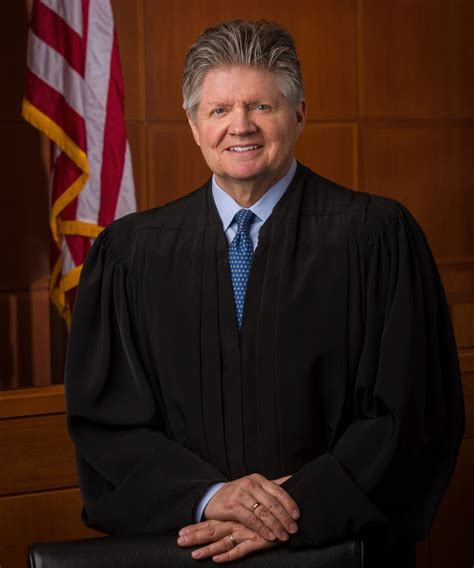
John Tunheim is a federal judge on senior status with the United States District Court for the District of Minnesota. He joined the court on July 10, 1995, after being nominated by President Bill Clinton (D). He served as chief judge of the court from July 1, 2015, to June 30, 2022. He assumed senior status on December 1, 2023.
John Tunheim served as chair of the Assassination Records Review Board in the 1990s, with authority to decide what JFK assassination records were released. He says the latest JFK assassination files won’t be expected to prove a conspiracy, and that he still believes Lee Harvey Oswald acted alone.