The Heart of 757 Baseball: Michael Cuddyer & Gary Lavelle on Building MLB Talent


Discover the rich baseball culture of Virginia and the powerful impact of legendary mentors like Gary Lavelle and Townie Townsend on the next generation of athletes. This inspiring baseball conversation highlights how strong coaching, community support, and a deep love for the game continue to shape young players across the state.
Former MLB All-Star Michael Cuddyer joins Gary Lavelle to share personal stories from their journeys to professional baseball, offering valuable insights into mentorship, player development, and the evolution of youth baseball. From grassroots programs to the growing influence of social media on recruiting and exposure, this discussion explores how the landscape of youth sports has transformed over the years.
Chapters
00:00 Introduction to Baseball Legends
02:45 The Rise of Virginia Beach Baseball Talent
05:35 Influence of Coaches and Mentors
08:22 The Evolution of Youth Baseball
11:30 The Pressure of Expectations in Sports
14:12 The Role of Community in Player Development
17:02 The Importance of Love for the Game
20:03 Lessons from Major League Experiences
22:52 The Impact of Social Media on Young Athletes
25:51 Reflections on Playing for the Love of the Game
33:05 The Evolution of Baseball Culture
39:54 The Impact of Individualism in Sports
45:48 Remembering Townie Townsend: A Legacy of Influence
52:42 Building a Baseball Community in Hampton Roads
That’s a wrap! 🎙️ Thanks for tuning in to Moore to Consider! Stay connected for more bold takes, deep dives, and conversations that matter.
🔗 Website: mooretoconsider.com
🐦 Follow on X: @MooreToConsider
🐦 Follow on YouTube: @MooreToConsider
Tip Jar: https://buymeacoffee.com/mooretoconsider
🔗 Follow on Rumble: https://rumble.com/c/c-7489741
The views, thoughts, and opinions expressed by guests appearing on this podcast are solely those of the guests and do not reflect the views, policies, or positions of the host, the producers, or any affiliated entities. The host and producers make no representations as to the accuracy or completeness of any information presented by guests and expressly disclaim any and all liability for any actions, damages, or consequences resulting from the use or reliance upon any information provided.
Moore To Consider: Welcome to another edition of Moore to Consider. So folks, you know I do a lot of stuff on sports. I have two of my favorite people in the baseball world that I've ever known on today. So I'm going to tell a little story. I coach college baseball. I finish up my master's degree at Old Dominion, moved to Hampton Roads, and I decide to go to law school. So while I'm there, I'm thinking like, OK, how am going to make money? What am I going to do on the side? I love instruction.
Gary lavelle: Okay. Okay.
Moore To Consider: So I go and meet Jim and Prudy Ramsey at Grand Slam. I think it's like their third location, but it's on Dean Drive right next to Forbes Candy right off of Lynnhaven Parkway. And I immediately love Virginia Beach. I did have a close buddy that played professionally, Trey McCoy. So I out with Trey's family a lot. And that was one of my connections to the area. So I'm in the building. And I think in the first six months to a year, I'm in the building. got this little guy comes in named Josh Rupe ends up picking the pitching in the big leagues. And then I had this kid
Michael Cuddyer: you
Moore To Consider: named David Wright, know, and David's 11 and he's in there with his buddy, Matt Smith. And so they're great. You know, and then I have Mark Reynolds
Gary lavelle: Yeah. â
Moore To Consider: and Jason Dubois Tim Levine. And so now I to tell this one story about one of the gentlemen here. I'm in there one night and this kid is just just an incredible hitter, like the bat speed. And this guy goes, what do you think? I'm like, that kid right there is a first rounder. And I said, what year is he? He goes, he's a junior. And I said, what college? He goes, no, he's a junior in high school. I'm like, high school? And he goes, yeah, that's Michael Cuddyer So I think I meet Michael at 16-ish, about that age. And then I'm out and about in the area, and I meet Gary Lavelle Now, here's a crazy story about Gary for me.
Michael Cuddyer: Okay.
Gary lavelle: Okay. you
Moore To Consider: A group of us when we were in high school played stratomatic, the board game with dice and all. And I draft a guy named Gary LaVille because he's got a 2.0 ADRA one year and that's my guy and I use him out of the bullpen and we play a complete season. Then I come to know the guy. So then I meet Gary. Super gracious guy. I know his career. I know he's an all-star in the big leagues. Michael's also been an all-star in the big leagues. So I start palling around with him and then I meet
Gary lavelle: you
Moore To Consider: Townie Townsend. So Gary and Townie have a building. They're doing instruction with the local kids.
Gary lavelle: Okay. Okay. â
Moore To Consider: then we're this is what we're going to talk about is this crazy thing that happens in Hampton Roads where I remember one year, Reynolds, Upton, and Zimmerman are on the same travel team. if you want Ryan Zimmerman, David Wright, BJ Upton, and Mark Reynolds are all rotating at shortstop playing on the same travel team. We have Verlander and Rupe and Lumsden on another team. Lumsden was the first round here at Clemson. He's a Roanoke kid, but it's just crazy talent coming out of Virginia. And we like to refer to it by the area code, the 757 is amazing.
Michael Cuddyer: you
Moore To Consider: I know so much of it has to do with Gary and Townie because they were the gentlemen. Gary with the incredible major league career comes into the area and starts to do instruction. Townie played professionally. So I meet these two guys and travel teams from our beach area are going places and they're making noise. And then I'm going to say this and I'm going let these gentlemen talk. One of the things that really struck me is I started working camps away 10 years into this.
Gary lavelle: Okay.
Michael Cuddyer: you
Moore To Consider: and comes to me, where are you from? Like Virginia, oh my gosh, Virginia Beach. And like everybody in the country was starting to recognize the talent level that came out. So, Michael, how are you doing, sir?
Michael Cuddyer: I'm well, thanks for having me.
Moore To Consider: I'm so pleased that you could make it. Gary, how are you, sir?
Gary lavelle: I'm doing fine. Thanks, Jack. Enjoy being on with you.
Moore To Consider: Absolutely. So Gary, you grew up in Pennsylvania. Michael, you grew up here locally. Gary, please tell a little bit, starting with you, Gary. You you're drafted by the Giants. You pitched with the Giants. You pitched with Toronto. And I think your last year you were with Oakland. So you have this amazing 20-plus year professional career. Many years in the big leagues, two All-Star games. Why Virginia Beach? How did you end up in the Virginia Beach area?
Gary lavelle: Well, to be honest, when we were, â we had good friends that had lived in California and became really good friends with in the Bay Area, and they had moved to Virginia Beach to work for CBN, and we came for a visit. And I really felt drawing, the Lord drawn me here, to be honest with you. And as we started praying about it, my wife and I and
Moore To Consider: Mm-hmm. Sure.
Gary lavelle: We decided that this is where God wanted us to be. And I was coming near the end of my career and I had just got Tommy John operation and I was off that year from playing. So we came for a visit and like I said, we felt God drawn us here. So we decided in 1986, this was where we're gonna be. So we came and made our home here. And from there on, just, know, a matter of,
Michael Cuddyer: . you
Gary lavelle: time before I ended up meeting Townie and we became good friends and then we started Tidewater Pro Sport Camps together. And so then the rest is history. know, as I came back here and as I retired from playing, I didn't have any inkling of becoming a coach, but I was â having my... â
Moore To Consider: Mm-hmm.
Gary lavelle: son and daughter go to Greenbrier Christian Academy and the AD one day said, can you come to a practice and help me out? And I said, sure, you know, so I went to the practice after school and I enjoyed it. The next day he called me up again, said, can you make it again? And eventually he called me up and well, I can't be at practice, so can you take over for me? And it was kind of a subtle way of, you know, having me starting to coach. And that was the beginning of
Michael Cuddyer: you you
Gary lavelle: coaching baseball and getting involved especially with a young talent in the air.
Moore To Consider: Well, you made that happen, you and Townie. So Michael, you had the perspective of you're a young man growing up. And like, when did you really first know you loved baseball? Five, six, seven? I when did it really hit you?
Michael Cuddyer: â Yeah, I I love baseball. I love sports just in general. I mean, I played every sport as a kid. â Basketball, soccer, baseball, I wrestled. I did it all. I loved just playing. â You know, I was a typical kid. you know, obviously back in those days. â You know, that's all we did as kids. We had Nintendo, but we didn't have, wasn't as in depth as it is now where you can play with your friends online and stuff like that. So if you wanted to play with your friends, you went out and, know, whether it was, was pick up football games in the front yard or, you know, I lived in in a, in a nice, safe, good neighborhood where we had a bunch of courts, cul de sacs and we played baseball in the courts and home run derbies in the courts and things like that. And
Gary lavelle: Hehehehe
Michael Cuddyer: It's just what we did. As far as baseball in particular, I was good at it. So naturally when you're good at something, you're gonna love it. And I was good at baseball and because I was good at it, I took a love for it and continue to get better and ended up â being the sport that fortunately I was able to make a career of.
Gary lavelle: Okay. Okay.
Moore To Consider: So I remember when I came to the area, I mentioned Trey McCoy. Trey was a good friend of mine. I believe Matt Williams who went to Kellum and then VCU drafted in the fourth round, I think in 92. DJ Dozier, who's even more famous for being her first round pick in the NFL, was playing locally. And I remember that was kind of the extent of it. I moved here in 93. I moved into Virginia Beach. And about that time, Jimmy Anderson was on the radar and Jimmy goes in I think, ninth round in 94 with the Pirates. So he was at the front end of this. But Michael, of course, you and John Curtis, yep.
Michael Cuddyer: And Wayne Gomes out of Old Dominion was the fourth pick. Yeah.
Moore To Consider: That's right, that's right. Yeah, I know Wayne well, he was fourth overall pick exactly out of Old Dominion. It's the same year that Billy Wagner got drafted. Wayne went â fourth and he went tenth and course Billy, God bless him. He just got to the Hall of Fame. He deserved that. I mean, what a great guy he is.
Gary lavelle: Yep.
Michael Cuddyer: Yeah.
Moore To Consider: So yeah, Virginia started to it up a little bit, but it was considered an area, definitely a football area. I mean, I'm up here in Williamsburg area where Lafayette high schools five minutes away where Lawrence Taylor grew up and Ron Springs had come out there. But Bruce Smith, of course, becomes a big name coming out of Norfolk. But baseball was not really a thing in Virginia Beach as far as professionally. know, guy popped up every once in while and Trey is one of the greatest hitters I've ever seen. know, and Trey got a lot of time in AAA. I was an All-American at
Gary lavelle: Thank you.
Moore To Consider: Virginia Tech. So it wasn't really happening until Gary and Townie, I felt like, entered into town and started to do what they did. So you're part of that because you're playing under these guys, you know. So tell me about that. Let's kind of get into the Townie discussion. How did all that start?
Michael Cuddyer: Yeah. Yeah, I mean, for me, what Coach Lavelle and Townie did was, one, it gave us something to do. It gave us instruction, but it gave us a foundation of work ethic because you'd go to their camps and they had camps and clinics all the time. you know, travel, baseball, it didn't really exist when I was a kid.
Gary lavelle: Okay. Okay.
Michael Cuddyer: your summers were off. I you didn't have tournaments every weekend. didn't, you you didn't play games in the summers. Once your spring season was over for your pony league or whatever it was, baseball was pretty much over. So they provided us a summer really. And their camps were legit day, week long camps. You know, we would get there at eight in the morning. We would do instruction until about lunchtime. We would have lunch and then we would play a game or two games for â the afternoon session. And that's where we played. That's how we played because we didn't have games to play. So what it did for me is it wanted to give an opportunity to play more and get more instruction. But I think the biggest thing is it instilled the passion.
Gary lavelle: Okay.
Michael Cuddyer: You know, see Coach Lavelle and you see, you know, first of all, Coach Lavelle being on Major League or that you didn't, we didn't get come in contact with former Major League Baseball players in this area. We never saw what it looked like. We never were around it. And then â Townie's passion and love for the game and love for working. And I think that was the thing that they did without us even realizing is they taught us how to love practice and how, because that was all we could do. You know, we didn't.
Moore To Consider: Yes.
Michael Cuddyer: I can't stress enough, there weren't games to be played. So all there was to do was practice. And we loved practicing. I loved practicing. I mean, if I could have gotten paid just to practice, I would have rather done that than playing the games.
Gary lavelle: That is.
Moore To Consider: So from your perspective, â you the grind. You got drafted, I believe you were 17 when you entered professional baseball. You've told me some stories about that, like being in, being from Pennsylvania, getting sent across country, you're young and you have to go through all the steps. You got to go through all the different levels and then you get that opportunity to stick in the big leagues and you make, I mean. My buddy Tom House and I were probably 20 years ago. He asked me the question. I'll never forget this. He asked me the question. He's like, Jack, how many guys do think have ever even played in the big leagues? And I'm like, you know, I think it's probably less than 20,000. And at the time it was about 18. That's about what it was because that's pretty good guess. So. OK. Really, you were number. God bless you.
Michael Cuddyer: I was the 18,000th person to be honest, a little fun fact. Like literally the 18,000th person to reach the, I was number 18,000, yes. 2001 was when I got called up, yeah, right? Yeah.
Gary lavelle: I like that.
Moore To Consider: And you broke in in 2000? Your first year in 2000? 2001. Okay, â so right at the beginning of this 21st century, you are in the 18 range. And now I think it's pushing 24. There's been a lot of new players come in. I've heard the story that, you know, I've heard guys say it's a lot easier to get called up now, but it's a lot harder to stay where in the past, you know, if you, if you got there and you put up some numbers, you had a pretty good chance to stay, but it was hard to get there. Now everybody goes up and everybody comes back down. I think the numbers are probably suggest that. But what I was thinking is, and the last time I was out to see Tom in San Diego, this summer, we talked about it.
Gary lavelle: . Okay.
Moore To Consider: I think about guys like Gary because a buddy of mine who played an independent baseball played for a guy that was out throwing BP in his late 60s and this guy is all energy.
Gary lavelle: Okay. Okay.
Moore To Consider: And I said, hey, what a neat manager you got. Hey, let me tell you a story. He gets called up by the Mets 21 days in September and the whole September's gone by and last day they're like, hey, go ahead and catch the last inning. So he catches three outs, including the strikeout gets a put out. That's his career in the big leagues. He's back in AAA the next year. And I was saying to Tom, there's tons of guys like that that are in the reference book because they got one appearance and it might have been five minutes. So people like you two who play more than 10 years is a very, very small percentage of the 20 plus thousand. And the people that play 10 or more years, it's not that many people. We know the big superstar. Yeah.
Gary lavelle: Okay. Okay.
Michael Cuddyer: Yeah, so the Players Association made a presentation a few years back and at that time there was right around 21,000 players have played a major league game. Like you just said, they get put in the reference. 1,300 played 10 plus years of those 23,000. 1,300. Yeah, I know, it's crazy.
Moore To Consider: Mm-hmm.
Gary lavelle: I love those stats, Michael.
Moore To Consider: You got the number, right? So you are two of 1300 people. The two of you are two of 1300. So Gary, you have all these experiences. You leave home young to play professionally. And what Michael is alluding to, I think is just so important. If you're a kid growing up, literally think that Major League players come from another planet. Why would you mean like they don't come from my neighborhood? Then all of sudden our neighborhood did produce them. And Gary and Townie were clearly instrumental in that. So you say you come to Virginia Beach, Gary, you're not really thinking about coaching. You kind of fall into this thing where you're being asked at Greenbrier Christian. How did you meet Townie and how did that grow?
Gary lavelle: Well, I get a call, I over at Grand Slam in fact, and Jim and Trudy were there and we were talking â he said, â was talking about â was coming in. I did not know Townie at the time. He said that â probably like to meet Townie. He was a former professional baseball player with the Red Sox and he'd be a good guy for you to get in touch with. So we ended up getting together and we hit it off very well. Townie's personality, I'm more low key. Townie was a little bit more revved up and was a tremendous instructor. Townie to me was one of the better hitting instructors I've been around in a long time. But his passion
Moore To Consider: Yes, you are. Yes.
Gary lavelle: really was very interesting and his love for kids to teach him the game. So we, like I said, we formed a Tidewater Pro And I remember â we were the camps and we were doing a clinic and he said, â you know, ought to start getting involved in AAU baseball. And I thought, you know, it had started out of Florida, I believe. I think Chet Limit was one of the beginning â chapters of AAU baseball. And as â it started being, â becoming more popular, Virginia, I think only had one team at the time. You could correct me if I'm wrong, Michael, but I think it was up in Richmond. I think it was the Richmond Braves or something had started an AAU program. And so he said, why don't we start one here? And I said, well, you know, I don't have the time to coach you, but we support it.
Michael Cuddyer: Yeah.
Gary lavelle: And so Tony said, yeah, I'll coach it and we'll get it going. And that's when the blasters were formed. And â that was the beginning of it. And then from there it took off. like you had alluded to before, Jack, about all those players that run that same team, know, Ryan Zimmerman and â Matt Smith and all those guys. I remember Tony said, why don't you â coach one weekend with me? And I looked at the roster and I thought, man, these are all Division I guys playing. And yet they had to cut some Division I guys just because they had too many guys. And â back in those days, it was very competitive to make a team like the Blasters or the Richmond Braves. And then all of a sudden it started blossoming out to different organizations. And that snowball effect now, as you see, takes over.
Michael Cuddyer: you
Gary lavelle: And now it's probably, you know, everybody's playing showcase who's wanted to get somewhere. And that's the way the game has â transformed.
Moore To Consider: Yeah, one of the things too, because you guys both know my good friend Joe that, you know, as a lawyer, he asked me to help him with doing some player representation. He had interest in that and I love him. He's one of my favorite brothers in the world. It's a rough business, you know, we kind of get started in it. And I met a lot of old scouts that way. And I'm sure this guy has long since passed on, there was this one gentleman that was like 6'6 and he pitched with the Red Sox in the 50s. And he told me some of the greatest Ted Williams stories. So he plays with Williams and he's telling me he's played against Mantle. And one day he says something, he hey, you know, this is 2000, 2003, somewhere that range. He was like, you know what's wrong with kids today? And I said, what's that? He goes, they don't play sandlot baseball anymore. And I never really thought about it. He said, did you ever get together with eight or 10 kids in the neighborhood? I was like, yeah, every day. When did you stop when mom called us home to dinner and when it got dark, that same story, Americana, we all kind of lived that. And he said, well, who made the rules? I said, either the kid that brought the ball, the one that could kick everybody else's ass. Like that's the guy that made the rules. And, you know, and he was, he laughed and he goes, how many parents around? I said, none. How many adults? None. So what did you figure out how to get along, how to be a good teammate, et cetera. So he said today, and you guys know this, a kid doesn't throw a baseball unless it's in a structured environment with his instructor. And Michael, which you said about multiple sports, the studies have shown the kid who plays multiple sports is much less
Michael Cuddyer: Okay.
Gary lavelle: Yeah
Michael Cuddyer: you
Moore To Consider: less likely to be injured and you pick up all these things from other sports that help you in that sport. So I don't know. I've always had this kind of thing in my head like, man, if we could ever get back, and I know that you're right back to being an organizer of something, but as a lawyer in the society we live in, couple of kids go out in the park and somebody breaks their ankle, it's a lawsuit, so they shut down the park. Nobody wants to have a liability. it's a lot of things at play.
Michael Cuddyer: So
Moore To Consider: But I just, you know, I'm coaching now, I'm helping out Paulie and Key again over at Bryant and Stratton. And I love our kids. I really think I see a turn in the kids in the last five years. Kids are becoming a lot more solid again, I think in their views on life in general. They, yes sir, no sir, great kids. But when I talk about the experiences they've had, if it wasn't organized, they don't do it. I mean, if it's not as an aspect of doing that. And one other thing I want to tell a quick story because I want the listeners to think about the impact of this. Michael, you're talking about being young. And then here's Towney playing pro ball and here's Gary that starred in the big leagues. And again, if I'm nine, 10 years old, I'm like, I'm gonna listen to what these guys say. They must know something because wherever they've been. And the first time I took Josh out to work with Tom House, there's like five big leaders standing around.
Michael Cuddyer: So â
Moore To Consider: Pryor's out there, Rob Nins out there, Aaron Harang, nicest people. They're just nice guys, but they're already established big leaders. Josh is just recently third round picked by the White Sox. Gary, you know this well, he's wet behind the ears. And he throws a pitch. And I looked at the faces of all the other guys and they all went, they all started looking at each other like, who is that? So Tom, two pitches in, comes over and says, do you know what that is? And I said, Tom, I know he's pretty good. He goes, Jack, he's in the big leagues in two years. And he was. Then he told me, he you know what your guy got out of this trip more than anything? I said, what's that? He goes, now he knows he rates. He's out here running with the alpha dogs. And because he's here and he's watched them throw bullpens and said, well, they're not doing anything I don't do. I had just as much electricity in the arm.
Michael Cuddyer: you
Moore To Consider: He's going to go back to spring training next year in his first spring training as a 19 year old, 20 year old. And those other kids are just numb nuts that are out there with other 20 year olds that don't know anything about their talent level. But he's already been around big leaguers. And I said, you know what, that's true. So I think that's a big part of how our area grew was kids. And I know how much David patterned his career after you, Michael. I know how much he looked up to you, four years difference in age. And he's looking at you like, well, I want to be like that guy. And I think that's the biggest thing that created that wave is that guys began to believe like, well, they can come out of Hampton Roads. And boy, did they ever. And then we just started getting so many picks. So now, Michael, I want to ask you this. I remember, â and this is I was with one of my law professors at Harvard Park, ran into you, â Michael ran into you. â And â it's a week before the draft. And I just saw that law professor the other day and we laughed about it. And after talking to you, this law professor of mine, who's a really good friend, he was like, that's the most impressive kid I've ever, I said, yeah, yeah. He might be president the United States one day when we thought that was still something, you know, to be looked up to. And then I said, yeah, he's going be a millionaire next week. And he goes, what? And I said, yeah, he's going in the first round next week. First round? I said, yeah, the round. That kid, I said, yeah, he's going to go in the first round. He's going to go top 10 picks. So you do, you go ninth overall.
Michael Cuddyer: you
Moore To Consider: So and then I think you and Curtis were the first time since 77 that two guys got drafted in the first round for the same high school right? But let me ask you. I mean, I remember coming out to see you and Curtis one day and there's 47 people in the stands, general managers, scouting directors.
Gary lavelle: guys sing class
Moore To Consider: And I'm looking around at guys like they're both going to go in the first round aren't they? Yeah, I think so. So how much pressure did you feel like for the area and all the dynamics that were going? Did you feel pressure? I know you felt a lot of love because we all loved you and we wanted you to do well. I know you felt support, but did you feel a little bit of, man, I'm carrying the banner for the entire area. Did you feel that?
Michael Cuddyer: Yeah. Right. No, honestly, I never did. I never felt really any of the pressure. think mainly it was because I didn't do it. I didn't love the game. Like there wasn't, it wasn't a means to an end for me. â You know, it wasn't to get drafted or to get a college scholarship or any of that. I just loved playing baseball and I was good at playing baseball and I knew I was good at it and I knew I loved it. And, you know, I think
Moore To Consider: Okay.
Michael Cuddyer: a lot of times expectations, when you have expectations, that's when the pressure comes. And I didn't put expectations on myself. And I think that's a big thing with the way just amateur sports in general is today because of social media, because of everything that comes with it, because there's, you know, every media outlet in the world is there. â You start,
Moore To Consider: Mm-hmm. â
Michael Cuddyer: having expectations and you start comparing yourself to others. And when you start comparing yourself to others and you start saying, well, this person's getting this and I'm better than him and blah, blah, blah, blah, and move it back and forth, that's when the expectations and disappointment and resentment starts creeping in. And fortunately, in the time that I was in high school, we didn't have those outlets. We didn't have those ways to compare, you know, The only way you had to compare was when Baseball America came and that was those numbers and those things were three weeks old. So everything has already passed by then. So no, I didn't feel any of the pressure because it wasn't why I did it. If I didn't get drafted, I didn't feel like I was a failure. If I didn't get a college scholarship, I didn't feel like I was a failure because it wasn't my reasoning for playing the game.
Moore To Consider: I love that and I hope this goes out to a lot of kids. Well, it kind of reminds me of something I once heard that if you love something and you do it well, will follow or success will follow. You don't run after the success. Success follows dedication. you're going to be, look, bottom line is you're going to be dedicated to something you enjoy. And if you don't enjoy it, then you're...
Michael Cuddyer: Yeah, and there's a quote that I like and I don't know who said it, but it was, play to win, you don't play for the win. And if you play to win, that means you're not scared to go out there and throw it out on the line, but if you're playing for the win, if you're playing for the draft or you're playing for the recognition, then you get that pressure. You feel that new start tightening around the neck. But when you play to win, you play to do it.
Moore To Consider: That's exactly right. Yeah.
Michael Cuddyer: It's a different thing. You don't have the pressure that comes with that expectation.
Moore To Consider: That's a variation of, know, my buddy, Tom, being the PhD in psychology, he's out there several years ago and he says to the kids, he goes, whenever you put result in front of process, you fail. So I think I've had this talk with Gary. 15 years ago, I got a team really struggling to go and I go to play one day and say, guys, what's wrong with everybody? And when the guys are like, coaches, it's not like we're having any fun. And I was like, you think this game is fun? And they're like, well, it's supposed to be, you know, like, what do your mom, your mom tell you that? And I made the, and I made the point doesn't make me right, but I
Gary lavelle: Yeah.
Moore To Consider: They were like, you never had fun when you played? I said, no, I was too concerned with them getting embarrassed. Like the joy I got out of baseball was proven to other men I could play. So like when I went on the field, I wanted people to go, huh, that guy can play a little bit. That was kind of my major concern was how did I rate among my peers? So then I really thought about what Tom was saying. The reason these kids weren't having fun is they didn't do process. They didn't do what it took to be prepared. So they were getting a bad result. Now they're upset because they're not having fun. So if you don't have an emotional stake in the outcome, to me, if you don't have some emotional stake in your performance, and I remember the old quote, Joe DiMaggio, who's on bone spurs at the end of his career, could barely walk, is playing hard. And a writer said, why do you play so hard? He goes, because it might be the only time some kid in the stands ever saw me play. Now you absorb that. Like if Joe DiMaggio says, I'm concerned with what the kid in the stands thinks of me. I think that's the kind of thing, and Gary, we'll put you on the spot, but I kind of remember you telling me the same story years ago when we were at dinner about not wanting to be sent home to your small town.
Michael Cuddyer: you
Gary lavelle: Yep. Yeah, that was, I think it was my second year in professional baseball and we're up in Medford, Oregon and played for the manager who was â in Salt Lake City the first year was a rookie team for the Giants. And he moved up to Medford, which was in the Northwest League, which is be considered a little way. And we had become friends, you know, a good relationship between manager and player.
Michael Cuddyer: Thank
Moore To Consider: Mm-hmm.
Gary lavelle: the year before and so I knew he was, â he called me in the office and he said, he put it this way, said, Gary said, tomorrow you're gonna start the game. And he says, you gotta do good. And I thought, okay. And I knew what he meant by that. And because I was drafted in the 17th round, I wasn't a high draft choice.
Michael Cuddyer: you
Gary lavelle: And I know that you know the difference between the number one versus number 17 is that you get more chances at number one to mess up because of the money they got invested in you so I knew what he was saying and You know at that point you'd make a decision â You can either fall apart or you can say hey I'm gonna show what I could really do here and you go out and you just allow that Take over what you've been, you know, playing all your life. You love the game. You know, I grew up in the Sandlot era, just like you were talking about. And â it was in those days that you, hey, you go out every day and you try to win the game. You know, you're playing to â win and you just go out and have fun doing it. You know, and it's one thing I say about Michael and David and the guys who came through the camps. You could tell the guys who loved the game. And the story me and Tony used to say was we could do a camp in a certain area. And by the time the day was over, the kids couldn't wait. You know, they were so tired. They just wanted to go home. When we were doing the camps with Michael and him, we were getting tired because they wanted to keep playing. So, you know, there's a difference in the mindset of players that, you know, have that determination and have the love for the game. And I think that's a big part of.
Michael Cuddyer: Okay. Thank
Gary lavelle: You know, becoming a professional player, you got to love the game, I believe, because if you love it, you're going to put the time in. And the work ethic is what's going to take over. And, â you know, I've never seen guys who have worked hard regret it, you know, but I've seen a lot of guys with a lot of natural talent, not working hard that do regret not working harder because I believe there's a point of diminishing returns. you're could be more talented another guy, that other guy keeps working to get better and better and better. And eventually he's overtaking you, you know, and when you get into pro ball, you're dealing with peers who are all good, otherwise they wouldn't be there. And then every step is Michael knows going up the ladder, you're competing against guys who are as good as you are. And then it's, there's a, you know, time of separation. And I think that comes, we talk about the mental emotional side, being able to handle the pressure and Being able to go beyond what you think you can't physically So that's how I view development too when I see young players who have the ability The biggest thing we try to instill at that point is hey, you got to learn how to control your emotions During that point of competition because if you can do that Then you're going to lie your ability to come out and if you can then your ability is not going to come out And so that's how we used to you know
Moore To Consider: I'm going run this by the...
Gary lavelle: approach it.
Moore To Consider: I want to run this by both of you because I've already said this on like four shows and some of the responses I get in the comments I find interesting. Comments in general when you do this is interesting but I'm in a building, I don't know, 15 years ago and a guy's got a poster on the wall and I looked it up and it was a quote from Mickey Mantle. I'm always fascinated by, well Ted Williams I mentioned, Willie Mays, Hank Aaron, all those guys from that era, but Mantle is the one, I saw a documentary type thing on YouTube the other day and it made a really interesting point. He comes in, he has the knee injury when DiMaggio calls him off in the 51 series, his knee's never the same. Every scout, every player said he was the fastest human being they'd ever seen. And then he runs into the injuries. Clearly the off the field stuff was huge. But like depicted in the movie 61, when Elston Howard becomes the first black player and he can't eat in all white restaurants, Mantle would go to the bus and eat with him. So he's a white guy from Oklahoma, probably never known a black person in his life. And he's eating on the bus with Howard. And Howard was like, what that meant to me, the biggest star on the team cares enough about me as a teammate to come eat on the bus. Or then they said he would go
Michael Cuddyer: So
Gary lavelle: Okay. Okay. Okay. Okay.
Moore To Consider: â and get in Mantle said I love the soul food so if we had to go to some black establishment on the road I wanted to go with Elston but it made Elston Howard feel â welcome when think about 1956 anyway I've always been a big fan of Mantle because I think he was a great teammate he was a mess off the field he found the Lord in the end you know Bobby Richardson was there at his bedside you know that holes Pat Summerall had a lot to do with him with the alcoholism so
Gary lavelle: Okay. Okay.
Moore To Consider: I'm in this building. Here's a picture. It's mantle clearly New York across the front road uniform, New York helmet. He's coming from second to third and his head is looking right. It's looking straight down. And the quote was whenever I hit a home run, I tried to get around the bases quickly. The pitcher felt bad and I didn't want to show him up. So it's 536 home runs, we know the career and really those last five years he'd fallen apart. So if he has one of those 24 year careers like a Mayes or an Aaron I don't know that some people think he could have hit 800 home runs. He hit 536, but you throw all those years that he's really broken down, what could he have been? So I said that to a group of, I was saying in the show, I said that to a group of kids and they're like, yeah, great story coach. And I'm like, guys, think about that.
Michael Cuddyer: you
Gary lavelle: Okay. Okay.
Michael Cuddyer: Okay.
Moore To Consider: He's playing in an era where he's concerned with not showing up the opposition. He's the best player on the field. So some guy writes in the comments the other day, he's like, dead era old man forget it already or something like, it's all about entertainment now. It's, and so.
Gary lavelle: Okay. Okay.
Moore To Consider: My point to these kids is I'm seeing lesser players hit a home run, stare at it that flip, and they're not mantle. And that's all you see in the big leagues now. So Michael, you're not that far removed from playing in the big leagues. I'm sure even in the time you played, you started seeing a move more towards, well, the TikTok generation, social media. But let me start with you on that, Michael. I know what kind of man you are. So where are you with?
Michael Cuddyer: you
Gary lavelle: you you
Moore To Consider: the field celebrations and the rest and kind of where the energy is going.
Michael Cuddyer: Yeah, I mean, I think, you know, it's no secret that in this day and age, because of what I alluded to earlier with the media outlets, the Twitter and or X, you could call it tick tock, you know, your brand, your individual brand, it has value, it has value in this day and age to make money. If you're at that level. The problem is, is again, and it's
Gary lavelle: Okay. Okay.
Moore To Consider: Right. Right.
Michael Cuddyer: what we have just talked about, big leaguers, everything that major league baseball players do or NFL players do or NBA players do trickles down to the kids that watch them. Well, you know, and now, especially with monetizing college sports and even high school sports where high school players are getting paid as well, you know, that's part of it is your brand and you know,
Moore To Consider: Yes, yes.
Gary lavelle: Okay.
Michael Cuddyer: good in the sense that it provides opportunities for some players, players that maybe won't become professional and this is their time to make a little bit of money or to make a little bit of an impact or become internet famous, so to speak, but also bad in the sense that it becomes a me, me, me world. And that is, and it's globally, it's not just, you know, in a vacuum with baseball or basketball or whatever it is. And there is no line. It's not even a fine line that separates the two. â And I think that is what is wrong. I don't know how to contain that because it's gonna only continue to morph and continue to get better. I was always under the assumption, I was always taught that if you're good enough, people will talk about you. You don't need to talk about yourself. â
Gary lavelle: you you
Moore To Consider: Right.
Michael Cuddyer: And, you know, gratitude. I was grateful that that pitcher was the best he could be, because when I did hit a home run against that pitcher, it proved how good I am. And I needed to be grateful. I didn't want to talk down to that pitcher because I needed that pitcher to be his best to prove that I was the best. And I think that's what's missing and lost is that we as a society and youth sports, especially,
Gary lavelle: Okay. you
Michael Cuddyer: and we can talk about baseball because that's what we're talking about. We are really quick to talk down to our opponent when in actuality we need our opponent to rise so we can rise with them. And I think that's forgotten a lot.
Gary lavelle: Okay. â
Moore To Consider: Yeah, and the thing that was frustrating too about that comment was it wasn't as if I like at the end of it what he says is Like wake up. I'm like, no, I'm awake. I see what's happening What I'm wondering is how I got here and I see what you're you're absolutely right It's almost like people are saying you're a chump get it. They're trying to make money I'll say this and then I went to turn over to Gary because I think if you look up man in the dictionary Gary's of that age He'll back me on this. It was Jim Brown
Michael Cuddyer: Yeah.
Gary lavelle: Okay.
Moore To Consider: When he passed away, thought wow if he's mortal then we're all you think like Jim Brown's gonna live forever But he was on an interview and somebody's like hey, you You didn't have a signature dance or a spike and all that he chuckled and went in My day you were a chump if you showed yourself like that like men didn't do like men did not do that I handed the ball the official. I'm like I'm coming back to do this again again, I was talking to some kids and I'm saying like Jim Brown said that and they're like something about well there's a different era and I said guys what do think he was like five six and 150 pounds he was six two two thirty and they're like he was that big and I'm go watch the film guys Jim Brown was Jim Brown was definitely a man he could run so Gary what about you coming from the time you played in the big leagues I'm sure the antics today would get one probably in the ear you know it's a different era for sure so you policed yourselves probably a little bit with that but what are your feelings today on where some of this stuff is going
Gary lavelle: Okay. I would agree. When I watched the game today and the taunting, the showing up of your opponent, I just go back to our era when you had the Bob Gibsons of the world. You showed him up, you're going to get one in the head. And I think there was a mentality of not showing up the opponent. And I've always had the model, you win with class or you lose with class, but be classy about it.
Moore To Consider: Yeah, yeah.
Gary lavelle: Like Mike said, you you're not trying to show up anybody. Hey, you're just trying to do better than the other guy. And â I think when you carry an attitude of gratitude, like Mike was saying, I'm grateful to be in the big leagues. I'm grateful that I was able to play here. â And I don't need to put down anybody who maybe didn't have as much success, you know, and I think, you know, when you coach a team. I used to say, guys, we don't need to be taunting the opponent or talking down to the opponent. You show up to the opponent by winning. And that's how you deal with You want to compete? It's really about competition. You keep people, â I used to say, you shut up your opponent who is talking loud, just beat them. and that'll quiet them down. So, you know, you got to have, to me, the right perspective. to me, maybe the money today, we do live in times where that is changing the game. The rules are changed because they want to quicken the game. There's a lot going on behind the scenes that the game has changed behind the scenes more so. And the younger players coming up. I talk about this a lot in travel ball, what I call travel ball mentality. â I don't know if players appreciate teams anymore because everything is done for individual success. They show up on a weekend to play a showcase game. They're not worried about whether the team wins the game. They're worried about whether they perform well.
Michael Cuddyer: So
Moore To Consider: Absolutely.
Gary lavelle: And so you have that mindset and then if they go back and carry that to school ball, then there's usually some issues of who, you know, are you a good teammate or not a good teammate? You know, you care more about how you perform today or whether you're a team winner or loss, you know. So it becomes a problem, I think, overall and in the long run that you're going to see more and more people lose interest in a game that They're being showed up by other players. They don't want to be embarrassed by other guys. And then they just back away. I believe in competition. I believe that it's great for developing character. And â that's what we should be trying to instill in the players is, hey, you win with grace, you lose with grace. just be character, man of character.
Moore To Consider: You know. Good. You know, did a show with Clint Hurdle the other day. I remember Clint when he was in Norfolk, both as a player and a manager. And he was at the coaching convention. That's where I caught up with Michael a couple of years ago. It was first time I'd seen Michael in a while, but you know, a lot of people go to the ABCA. And so I talked to Clint back in January about doing a show and he came on. He was great. He was great. But one of the things, well, you know, he has a famous story and we talked about it, about the Sports Illustrated cover And I think a lot of what that did to him as a 20 year old he was in 7-eleven and Looked down he's on the cover of Sports Illustrated and he said the Royals had told him Hey, you Willie Wilson. They're gonna take some pictures. They're doing a story, you know, and he goes, alright, whatever They might talk to you and then they chose him to put on the cover
Gary lavelle: Okay. Thank you.
Moore To Consider: And he goes, I caught a lot of heat from veterans and I had nothing to do with it. Like I had nothing. I didn't say, sports illustrated put me on the cover. So as a young man, you know, he was a ninth overall pick, a lot of pressure about you're going to be the next big star. And now he catches the sports illustrated thing. it's like, you know, living up to a lot of great stories about what it was like being a young player in the spotlight in 1978, what that was like. It was like, three magazines, it was newsweek time and sports illustrated. And he's on the cover, but he made an
Gary lavelle: Okay. Okay.
Moore To Consider: point as a manager and a player he said Jack every good team I was on and I can't remember what religion or where the origin was I forget that right now I have to go back and look at it but he was like there was this term about that synergy a combined energy brought about by everyone pulling from the same end of the rope he goes Jack every bad team I was ever on or managed
Gary lavelle: Okay.
Michael Cuddyer: Thank
Moore To Consider: All the players talked about, I should be hitting here in the order. That guy's getting this and I'm not. He goes, and the guys that literally pulled for each other, it never failed, it was a good team. And you guys have played on major league teams. I don't care, it's a little league to the big leagues. And then he made a point to me, because when I got into the old man, get off my lawn stuff again about kids today, he said, you know what, Jack, if you set a standard, and it's true, because I remember 10, 15 years ago when I was coaching.
Gary lavelle: Okay.
Michael Cuddyer: Okay.
Moore To Consider: I said guys, there's some things I can't take and one of them is rah rah everybody jump on home plate on the home run. If the ball ends up on the other side of the fence, so what? know, act like a man, shake the hand of the on deck hitter, go to the dugout, that's it. They don't, coach, but my mom said I ought to be able to, I'm like, no, no, we're not doing that. So I got a great teaching moment.
Gary lavelle: It.
Moore To Consider: We're up 10 to nothing in the game. I love this. It was the most perfect teaching moment. We're up 10 nothing, three outs, 10 run rule games over. Guy hits a ball that scrapes the right field fence wall. It's like goes down the back with a wall. Now they're down 10-1. Team is down 10-1. They come rolling out of the dugout. They're hopping on the plate. And I looked in the dugout like, guys, how stupid does that look? And they were like, yeah, coach, you're kind of right. said, that's why we don't do that.
Gary lavelle: Okay.
Moore To Consider: And then they took pride in hitting home runs and acting like it didn't mean anything. The next thing you know, they liked the fact that we were the only team that did that. So I agree with Clint. It's all on us, you know, that the coach or in positions. If we set an expectation, they'll follow it. It's just that a lot of people in positions of authority over kids are like, yeah, go out there, make a fool of yourself. We all do it. And that's kind of become.
Gary lavelle: You
Michael Cuddyer: Yeah. Okay.
Moore To Consider: what the expectation is and I know there's money and there's fame. But I coached in the Valley in 2022 and all the kids talked about is who posted what. That's all they talked about and they were concerned with who gets love and who doesn't and who got recruited by who. I had a kid from Miami Dade Community College, one of the best athletes I've seen, 94 across the infield. mean, just incredible arm strength, big kid. Never could really play with any passion. I was like, what's wrong? â when I was in Miami, this kid got love and this kid went, I who cares? I you ever heard of Ryan Zimmerman? And he's like, well, I know who he is. And I said, I saw him grow up. What round do you think he went out of high school? He goes, I don't know. said, he didn't. At the last moment, he kind of went to UVA. And then the freshman year, I don't know who he is anymore. Then Team USA is sophomore year. And then I said, dude, he went fourth overall in the draft. In 36 months, he went from nobody to the fourth overall pick. Why can't that be you? But I didn't get, you I'm like, so you're not in baseball America. Who cares? You're talented. But he's concerned with what everybody else does and says and thinks and all. But again, they have more exposure. I didn't have that. You guys really didn't have Michael. You didn't have that when you were coming up. You didn't have that same kind of exposure. Let's get back to I want to kind of close down on this. â
Michael Cuddyer: Mm.
Moore To Consider: One of the things I want to say for the people listening, when Townie passed away, Townie was 54 I believe when he passed away with throat cancer, it came, we thought it was was taken care of. remember seeing Michael and Gary at a function one time, we had to raise money for Gary at the Grand Slam 2 over in Chesapeake. I mean for Townie and Gary and Michael were there and â I got to be really close to town. probably the last three years of his life. I coached chase and I used to play ball with Sean, his sons, and I really got to love him and understand him. â just a big heart guy, but I was at his wake and I was standing in back with Brett. I was standing in the back with Brett Cron, pitched at William & Mary, pitched some pro ball. There was another kid I just dearly loved that I worked with in baseball. And I watched the sea of kids come up. that were un-baseball related. Female saying, if not for Townie Townsend, I'd be on drugs, dead, pregnant, and whatever. Then a guy would come up, if not for Townie Townsend, I would have been shot, gang related, dead. One after and it wasn't even baseball related It was from his time as a school principal and I looked at Brett and he looked at me and he said everybody in building has the same story like everybody in here has a story about townie One kid said he jacked me up against a locker one day and said straighten out your life and that turned my life around I was headed towards jail or death And I'm like, whoa, and these aren't even like say baseball stories. This is just townie So that's who townie town townie towns and was and why we love him but Gary You and Townie did so much for that area. â So let's kind of talk about Michael after you and Curtis. â Wow, let's see. David goes 38 overall. BJ goes two overall. ends up up and goes one overall. Josh was a third rounder. Justin Jones was a 62nd overall pick. â Zimmerman we mentioned by way of UVA was a fourth overall pick.
Michael Cuddyer: Okay. you
Moore To Consider: Reynolds went the 16th round but played what 15 years in the big leagues hit a lot of home runs â Baseball America did an article I want to say 10 15 years ago and it ranked the top five states in the country and it was California Imagine that Florida imagine that Texas Georgia and they're like number five for impact in the draft was Virginia and they're like Virginia should not be on this list to mid-atlantic stay weather wise but Michael Cuddyer ninth overall, kid named Justin Verlander kind of shakes it up. Guy named David Wright, seven time All-Star kind of shakes it up. And you're looking at, and I'm so proud because I know so many of you, and I'm like, yeah, we're pretty special in Virginia. And that in large part happened â where we are. â it's maintained a little bit. â mean, Chris Taylor, â fifth rounder, played a lot in the big leagues. And that's what I kind of thinking. Who do we have still? Do we have any more? Yes, right. Eddie. Yeah. What was Eddie? 44th overall. So, â Ramirez. think Neil was 40 something. Yeah, he was a first round pick. So, we've had all that kind of impact.
Gary lavelle: Did he have Butler too, Eddie Butler?
Michael Cuddyer: Yeah.
Moore To Consider: I want to ask, I'll start to kind of get back on track with that. Michael, did, tell the Townie stories you have. What did Townie mean to you and your development?
Michael Cuddyer: Yeah, well, I mean, it's like I said earlier, you know, for me, I was, you know, I was on that first black team that Gary was talking about. And, you know, we didn't play a season that at that point, we were literally in the infancy infancy of it. So was basically the guys that came to the camp.
Moore To Consider: Right.
Michael Cuddyer: that were my age, â you know, and we would play a little bit. We'd go to a tournament and I remember we'd go to tournament in Maryland or something. We'd go to like one or two tournaments. He'd get us together for like one or two tournaments, basically one year. And maybe it was a little more, I was on the Team USA. So my summers, my junior and senior year were kind of full in that sense. â But like I said, was the...
Gary lavelle: Okay. Okay.
Moore To Consider: Mm-hmm.
Michael Cuddyer: The training, â you know, for infield, the Aussie drills that are popular nowadays, right? Where get 10 feet away from a partner and throw one hop and you do your backhands and your forehands. Townie was doing that when we were 10 years old. â we were familiar with that kind of training from â get-go for us, you know, hitting the lids, you know, the wood blocks, absolutely, the wood blocks. â
Gary lavelle: You remember the wood blocks, Michael? Yeah.
Michael Cuddyer: You know, in order to come to the Tidewater Pro Sports Academy camps, you had to bring coffee lids. You had to bring either Cool Whip lids or coffee, Maxwell House coffee can lids. Like you would pay whatever it was. My parents paid it. I don't know what it was that it cost, but you would pay the fee, but then you would have to bring 10 lids. And that's what we would hit.
Gary lavelle: Yeah. â
Michael Cuddyer: You know, it was not just about that. It was also about the competition. You know, I remember the LID competition. We had an indoor record and an outdoor record for hitting these discs that were getting thrown to us. And you wanted to have your name in the record book. â So it was learning how to train and have fun doing it was a big thing for us. And that way, when I got into pro ball, when I got into high school, you know, our high school team was really good. But we didn't really know how to practice. We didn't really practice all that much or that hard. But because I had, since the time I was nine or 10 years old, kind of learned how to practice from Coach Lavelle and Townie, that I was able to do it on my own. And I knew what I was doing. I had a plan to do it on my own. So when I got into pro ball after that, nothing was really known. They couldn't throw anything at me training wise that I hadn't already been through.
Gary lavelle: Okay.
Michael Cuddyer: And talking about the guys that came after me, all these names that you mentioned, it's kind of like the Roger Bannister four minute mile thing, Like forever and ever and ever, nobody could ever run a four minute mile and he did. And then like the next two years, 30 people did it. It's just once you understand that something can be accomplished, then everybody coming behind you,
Moore To Consider: Mm-hmm. Yes. Yes. That's a great pull, mate.
Gary lavelle: Yeah.
Moore To Consider: Yeah, yeah.
Michael Cuddyer: is able to accomplish it and do more and do better. And that's what's been cool is like, yes, I got to the big leagues and played 15 years and made all-stars, but pretty much everybody you mentioned had better careers after me. And I think that's what was gratifying to me. And it goes back to the comparison thing. I didn't compare myself to those guys because I myself as the spring board I was grateful that I was able to give them a give them a blueprint. And that blueprint wouldn't have been created if it wasn't for those Tidewater pro sports camps and clinics.
Moore To Consider: Hey man, this is yeah. Gary, what about? As you look back. From where you sit now, all the successful years you had at Greenbrier starting the program at Bryant Straton. But all those high school coaching years, the time with Townie. You know how much I love you. You're one of my favorite people in the world. As you look back now of 40 years roughly in the Hampton Roads area, we are right at 40 years. I know it's been rewarding, but do you not feel, I'm gonna put words in your mouth here, but don't you feel that what's been created is an incredible family situation? That's how I feel about you guys. I think everybody in Hampton Roads feels that.
Gary lavelle: Well, I think, you know, â there's so many good coaches in the area and got to be friends like with Norby Wilson and, you know, when I first moved here, I Randy Sterling was the coach over at Salem and he was having a lot of success. And then Wiley Lee came to Great Bridge, he was a great coach and a lot of good coaches started popping up. And I think part of it was the desire to see
Moore To Consider: Yep.
Gary lavelle: this area grow in baseball. And I remember clearly about Legion ball. When I first â moved here, I think there was only like one or two teams and I don't even know maybe in the whole area. And then I was asked about developing a Legion team. So post 280, Chesapeake came online. In fact, the first year that we had it, we went undefeated. â we were in the state playoffs, but they said that we had an ineligible player in Jimmy Anderson. And, you know, we had gotten approval for Jimmy because there was no other team in the area. And the buyer laws say that you could play for the closest team in your area if you don't have one. And we were the closest to Western Branch. So, but that started up and then all of a sudden a lot of Legion programs started up in the area. And that
Moore To Consider: Hmm
Gary lavelle: had a big boom, think, â And then as it went, has, â you know, travel ball became big. So it just, you know, perpetuated itself. But I go back to a lot of coaches who came in the area that loved the game and had desire to help players develop. And so I'm grateful that, you know, it blossomed. think Townie was a â huge, huge catalyst. And one thing I learned about Townie from being with him so long is he cared a lot about kids who were underprivileged. And that was a big part of camp. You we would have, if you couldn't afford to come to camp, hey, don't allow money to stop you from coming to our camp. We'll get you, you know, you're allowed in here. We've scholarship you or whatever. And so that was a mindset that we developed. And, you know, it's rewarding to look back and see all the great young men you coach. Michael, you're one of the finest young men I've ever been around from character standpoint. I know it has a lot to do with your mom and dad upbringing. But the game itself, you know, I think if you teach it right, it helps in developing the character of young men. And that's what I think is rewarding as a coach. And know, Jack, you're a great instructor as well, and you're a motivator. And so you know that. And you enjoy developing kids and helping kids to fulfill their dreams. And that's the most rewarding thing.
Moore To Consider: Well, it was the biggest blessing, I think, as far as location, vocation, the whole thing, moving to Virginia Beach. And I remember I was there about a year before, riding through the neighborhood I ended up living in. like, can I really like it here? And then I come in and we mentioned a bit at the start, I can't say, I can't speak of two people more highly than Jim and Prudy Ramsey. And Michael, I remember when your stuff was on the wall when you got drafted, how much they loved you and. It was a special place. mean, when you went by, was like, know, Uncle Jim and Aunt Prudy and you know, you were in there and it was just a great atmosphere in there and everybody came through there. All the guys at some point had been in that building. And I got to tell a little story on David and Chase. I was at... The last year Townie was alive, was the baseball bash in Richmond and the lids were out there and there was an autographed picture from you, Michael, EJ and David. And he had said, I guess a set of them had been stolen. You guys like did another one and they laminated him and made a copy because somebody had stolen. But, but Townie was there and then the next day he wasn't doing so well. And â that was a big, I'll tell you this, there was a big reason I went back into coaching. I was practicing law.
Michael Cuddyer: So So â
Moore To Consider: And three months before Townie Doddy looked at me at that bash, he goes, what are doing with your life? I'm like, I'm practicing law. He goes, what are you supposed to be doing? I was like, what do you mean? goes, Jack, your coach. This is what he said three months. And I was like, I'm looking at a guy three months from passing. And very much like when you guys remember when he was at that sort of roast we did at Greenbrier and he said, I know what Lou Gehrig felt. I'm six months from passing. The doctors are saying I'm going be gone by April. And he passed in April. As you guys remember, his funeral was snowing in April. But anyway, all these things go through my mind. But I come in the next day and I said, Chase, how's your daddy? goes, he couldn't make it out of bed today. He's upstairs in the hotel. And he got a little emotional. And I said, you know, these pictures out here are really great. And he goes, you know, Chase, he's like the least braggart kid. He's just a sweet, he's a great kid. And he said, you know, what's cool to coach a Jack? And I said, so what's that? He said, you know, I go to Mary Washington and you know, the Mets were in town in Washington and I told some group of my buddies I played with at Mary Washington, Fredericksburg, David writes in town. Maybe if you guys want to go up to the game, if we can get down to field level, maybe we can say hi. And
Gary lavelle: Thank
Michael Cuddyer: So
Moore To Consider: the guys are like â yeah like David Wright's gonna speak to you and he goes guys David grew up with my dad and goes like they're like okay he goes whatever guys if you want to go so like five of them go he goes jack
Gary lavelle: Thank Thank
Moore To Consider: I mosey down there, I'm at the fence line, and I yelled out Chesapeake, you know, to trigger him knowing who it is. And he comes over and hugs me. How's your dad? And my teammates are like, whoa. And then when he pulled away, like, you really know him. He goes like, no, guys, I just made that up. But he said, Jack, he stopped his alfalfa running to come over and hug me and ask me how my dad was doing.
Gary lavelle: Okay. Okay.
Moore To Consider: David never changes and Michael you did I don't know if you remember this I was with a couple of friends that I was later in their wedding She doesn't know me from Adam. She's from LA my friends from Richmond they meet in Norfolk and they're gonna get married and we were in spring training and I'm sorry, was funny. I was talking to them and I said hey the twins are out there if I get down to feel level I'm gonna go down try to say hi to Michael
Gary lavelle: Okay. Okay.
Moore To Consider: So she's like, you're going to do what? I'm like, Michael Cuddyer he's family. He's from Chesapeake. Well, you know him? And I'm like, yeah, I him when he was like 15, 16. So I go down to field level and I yelled out Chesapeake or something. You went, Jack, what's going on? And you came over to the fence and we pull away. And she's like, you really didn't know? I'm like, no, I'm just some middle-aged guy that screams at Major League players hoping they come over to the fence. But it shocked her. She's like, so you really, I was like, yeah, he was in a building when he was 15, 16.
Michael Cuddyer: You Yeah.
Gary lavelle: Hehehehe
Moore To Consider: knew him at Grand Slam. And I'm like, he's people, you know, and you rolled right over to the fence. And I always thought that was the coolest thing from my standpoint to watch you guys on TV. When I saw you guys on TV or at a game live, to be at a game live. and say, yeah, I know that kid and he's first class and, and, you I've always felt that way about you, Michael and David. And of course, Josh is like a son to me. And, you know, now I've been able to work with Tucker and Cooper and see the kids, you know, grow up and here I know you, you know, we know what this is like. Time just flies. You see kids at one level, next thing, you know, their fathers with their own kids. but that's what's been so special about Hampton Roads. And I do love you both because of that. â
Michael Cuddyer: So
Moore To Consider: I can't think of a greater place. I'm sure there's places in the country that have pockets, but I don't know that there's too many more really in the country like we created this. And we did, we created it. With God's help, we created an atmosphere in Hampton Roads as a family group of people that supported each other. And I do think, Gary, like you're saying, I don't know that there was much better instruction in any part of the country than in that pocket of 757. It was a special area. And then once it created great players, those great players gave back and plowed their resources and time back into it and develop more players. So it's special. I hope it continues. I still think some of that connection is around, but I think the 90s into the 2000s was really the special time. Michael, what would you like to say in closing?
Michael Cuddyer: you Yeah, no, I agree with everything you just said and you know, you know, comes for me it comes back to To gratitude this area is special and that's why my home is here and raised my kids here because because of that and you know you when you come from an area like that and It is a transient area. But at the same time, it's it's not the people that that â mean a lot to you, have been here, meant a lot to me, have been here and been here from the beginning and have stayed here. you know, it sparks a fire into me to always continue to give back and be there. And whether it's a speaking engagement or helping a kid or helping whatever I can to not just help this sport, this industry, but also this community. you know, so many in this community did that for me. And, â you know, It's not like you're obligated or somebody's holding a gun to your head, but at the end of the day, you realize how fortunate that I was that hopefully I can be that inspiration for other people.
Moore To Consider: You already have been, there's no doubt about it. And it's an interesting point, like, what's the county from Philadelphia? Right? He was originally from, was outside of Philly, right? Was originally.
Gary lavelle: Yeah, and then they, yeah, the dad moved here, then the young, when they were young.
Moore To Consider: Right? And then you're from Bethlehem, Pennsylvania. Michael, your family going back was from out of state as well, right? Didn't your folks come here at some point?
Gary lavelle: Yes.
Michael Cuddyer: They were like born, they all, my mom and dad both were pretty much raised in Norfolk. Yeah.
Moore To Consider: Right. Well, sure. But what I'm saying is when you said the thing about it being a community transient area, but that's what's so neat about it too, is that people like Gary from Pennsylvania and Townie may have come at different points, but
Michael Cuddyer: Right. They stay.
Moore To Consider: But we kind of all ended up in this area, but we were influenced by so many cultures and different backgrounds from where people came from so many different places to end up in Hampton Road. It's a military town. It's like 45 % of the people in Virginia Beach are from somewhere else. I think easily 45%. So that I always thought was a special thing about it. It's not one of those places. I've been like, well, you would come here. What are you doing here? Nobody cares where you're from. Let's face it. Nobody cares where you're from.
Michael Cuddyer: Mm-hmm.
Moore To Consider: you live in Virginia Beach because everybody well Norby's from North Carolina my friend Trey McCoy I mentioned his he's literally a McCoy from West Virginia his dad was from West Virginia I don't know too many of my closest friends in the Hampton Roads area that aren't from somewhere else at least one layer back their parents or something there everybody's from somewhere else that's kind of what it is Jerry what would you like to say on the way out
Gary lavelle: I just appreciate a program like this, Jack, and to have opportunity to be with Michael and you. You know, the one thing Michael said, to give back to the game. And I hope all the players who are coming up who have success will remember where they came from and give back when their days come up where they're retiring and get back and involved in helping young kids to fulfill their dreams. That would be my desire to see. discontinue on in this area because it's a great area â you know just great people and â hope we can continue it â for a long time
Moore To Consider: Well, both of you, think the world of both of you have mentioned that many times because they do and I so greatly appreciate this. And please, I would love to do this going forward. And anytime you guys have something you want to platform, you're like, hey, Jack, got something I wanted to, you know, let's put it on the show. I would love to have you guys in any time, kind of talk about the state of the game. Michael, I know you're still really immersed in it and around the Major League Baseball. I know
Michael Cuddyer: you
Moore To Consider: There's a lot of talk going on right now about the labor stuff and how really we're in a point where I think we're really in a question of how baseball, what it's going to be going forward, like literally what it's going to be going forward as we, you're both major league players with history in the game and the game as we know it might be changing. And I hope it doesn't change in a way that it's unrecognizable or ugly, but just professional sports in general, think. and Michael, which you mentioned about the college thing, when you're kids what you're paying them in college, how this affects everything downstream is going to, I think, be more and more of an issue. So we can talk about those subjects. Michael Cuddyer, Gary Lavelle two of my favorite people.
Gary lavelle: . Okay. â
Michael Cuddyer: So
Moore To Consider: can't say again how much I appreciate you being on and I hope we can do this again very soon. So this is more to consider. Please subscribe. Please like. Please comment. Please comment. Tell us about other places in the country for sure. If you get to see this show, if you know other places in the country that do baseball correctly, do any sport correctly, â please let us know. Please let us know better ways that we can work in our communities to be able to build a dream for other kids. Thank you so much. God bless you all. Enjoy. having you on the show.
Gary lavelle: Thank you, Jack.
Coach
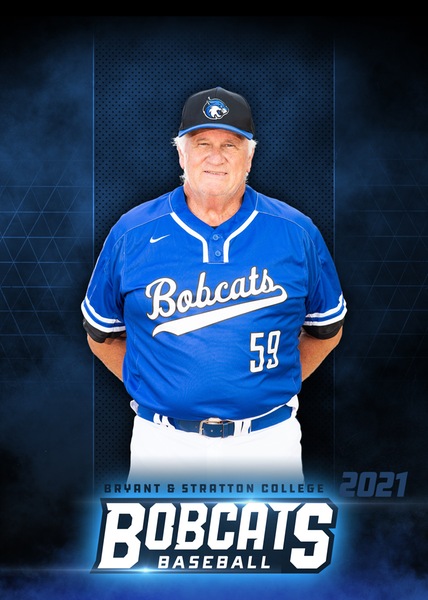
With over twenty years of professional pitching experience under his belt, Coach Gary Lavelle will be an incredible asset to Bryant & Stratton’s new baseball program. He spent most of his his pro pitching career with the San Francisco Giants where he was twice named a National League All-Star and held the record for most game appearances as well as being listed in the top 10 for saves and wins.
Coach Lavelle also played pro ball for the Toronto Blue Jays and the Oakland Athletics before deciding to move from the mound to the coaches’ box, where he had a strong desire to work with youngsters in developing their baseball ability, sportsmanship and leadership. As head coach of Greenbrier Christian Academy in Chesapeake, VA, Lavelle was named TCIS Conference Coach of the Year for six consecutive years, as well as a seven-time Virginia State Independent Schools Coach of the Year. Lavelle’s team was a four-time winner of the Metro Conference Championship, a six-time winner of the Division I Virginia State Championship, and winner of the Division II Virginia State Championship in 1999.
In 2000, Coach Lavelle returned to the Big Leagues as a Pitching Coach for the New York Yankees where he culminated his career as the 2004 Eastern League All Star Game Pitching Coach. After five years with the Yankees, Lavelle decided to return to Greenbrier Christian Academy where he had found his true calling. Over the next 10 years, his team went on to win the Virginia Independent Schools State Championship four times and Lavelle was named Coach of the Year for each of…Read More
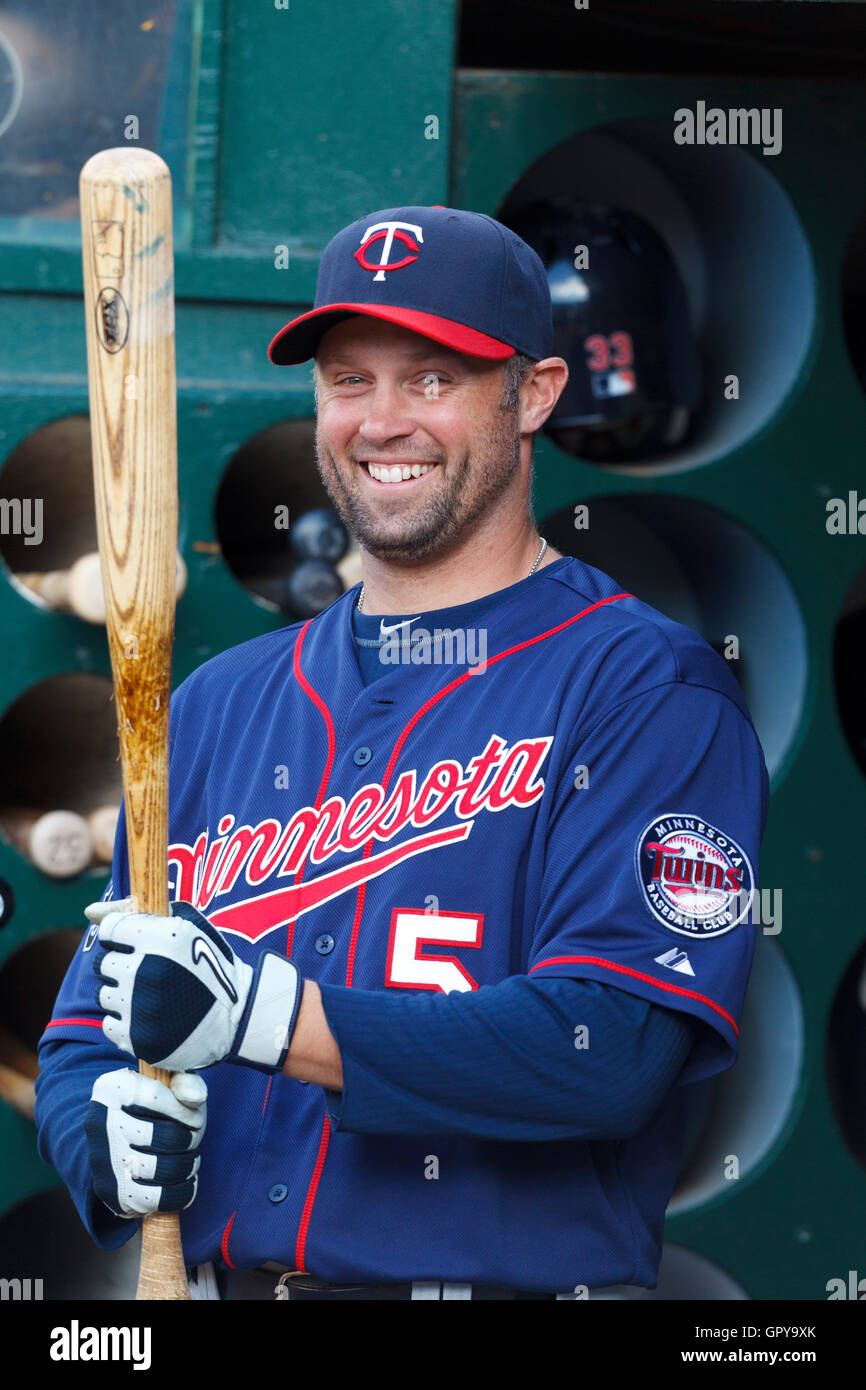
Michael Cuddyer, a former Major League Baseball outfielder, made a significant mark during his career, playing for teams like the Minnesota Twins, Colorado Rockies, and New York Mets. He officially announced his retirement from professional baseball in 2015 after a season filled with injuries, closing a chapter on a noteworthy career that included two All-Star selections and a batting title in 2013.
Cuddyer was known for his versatility on the field, playing multiple positions and making contributions that helped his teams succeed.
His journey began when he was drafted by the Twins in 1997, and over the years, he evolved into a reliable player who made an impact in pivotal moments of the game.
In reflecting on his career, Cuddyer often expressed gratitude for the support of his teammates and coaches. His farewell from baseball was not just the end of his playing days, but also the start of a new chapter where he would remain an influential figure in the sport.