Did Oswald Act Alone? Gerald Posner on the JFK Assassination


Gerald Posner, author of Case Closed, dissects the JFK assassination — from Oswald's motives and marksmanship to the Zapruder film, grassy knoll theories, ballistics evidence, and Oliver Stone's Hollywood distortions.
Chapters
00:00 Introduction and Gerald Posner's Credibility
02:07 Personal Memories and Public Impact of JFK's Assassination
04:10 Media and Shared Experience of the Event
05:32 Early Rhetoric and Conspiracy Theories in 1963
07:00 The Role of Evidence and Eyewitness Testimony
08:52 The Book 'Case Closed' and Its Impact
10:50 Timing of the Book Release and Media Response
12:40 Oswald's Actions and Possible Conspiracies
14:45 Oswald's Rejection and Conspiracy Windows
16:42 Ballistics and the Rifle Used in the Shooting
18:40 The Shot Distances and Marksmanship Analysis
21:25 The Head Shot and the Zapruder Film Analysis
23:35 Conspiracy Theories and Zealotry
24:33 Oswald's Personal Life and Possible Motives
26:18 Eyewitness Accounts and the Sixth Floor Window
29:28 The Role of Sound and the Autopsy Evidence
31:17 Theories About the Gunshot and Bullet Trajectory
34:28 The Evidence of Multiple Shooters and the Grassy Knoll
36:14 Ballistics Tests and Bullet Penetration Studies
38:24 The Nature of the Bullet and Its Impact
40:18 Oliver Stone's Film and Public Perception
41:55 Timing of the Motorcade and Oswald's Positioning
44:00 Theories About Oswald's Awareness and Conspiracy Involvement
45:53 Nerves, Shooting Conditions, and Oswald's Performance
47:06 Closing Remarks and Future Discussions
Guest: Gerald Posner
#JFK #JFKAssassination #GeraldPosner #CaseClosedBook #LeeHarveyOswald #WhoKilledJFK #ZapruderFilm #GrassyKnoll #WarrenCommission #OliverStoneJFK #ConspiracyTheories #BulletTrajectory #TrueCrimePodcast #HistoryPodcast #AmericanHistory #Podcast
🔔 Subscribe for more sports and cultural analysis!
👍 Like & Share to keep the discussion going!
💬 Drop your thoughts in the comments!
🔗 Website: mooretoconsider.com
🐦 Follow on X: @MooreToConsider
🐦 Follow on YouTube: @MooreToConsider
🔗 Follow on Rumble: https://rumble.com/c/c-7489741
Tip Jar: https://buymeacoffee.com/mooretoconsider
The views, thoughts, and opinions expressed by guests appearing on this podcast are solely those of the guests and do not reflect the views, policies, or positions of the host, the producers, or any affiliated entities. The host and producers make no representations as to the accuracy or completeness of any information presented by guests and expressly disclaim any and all liability for any actions, damages, or consequences resulting from the use or reliance upon any information provided.
Moore To Consider: Welcome to More To Consider. I'm very excited today because as you know, I've been studying the Kennedy assassination since I was five, maybe whatever the time has been. And I have on today, Gerald Posner. He's famously the author of Case Closed, which I think is one of the greatest books on the assassination. It's a very exhaustive work of Lee Harvey Oswald and who was he really? Mr. Posner, how are you, sir?
Gerald Posner: Great, very good to be with you, Jack. Really a pleasure.
Moore To Consider: It's pleasure to have you on. So, you are in the fourth grade, I think, when the Kennedy assassination occurs.
Gerald Posner: Exactly. At a Catholic school, a matter of fact, with Sisters of Charity. And the reason I mentioned that is first Catholic president. So that death that day would have had a real impact anyway. It did across America. But it was first time as a child, maybe the only time I ever saw nuns cry. You understand? So it was the impact we knew as kids, even though we couldn't appreciate the depth of what was happening, that something absolutely horrendous had happened.
Moore To Consider: Mm-hmm. Yes. Yeah. And I've heard that among a lot of my Catholic friends, you know, that were of that age. I get it. You know, it was like, and this is John F. Kennedy and right. Many of them were in Catholic schools and they saw, or I've heard it from people of all different faiths or different denominations saying, I never saw my mom cry like that. I never saw the mailman cry like that. You know, it was.
Gerald Posner: Right, no, you're right. And we saw our parents when they came to pick us up afterwards, because we had an assembly and then they sent us home and the parents came to pick us up. And we saw that with our parents. But for some reason, I thought as a kid, we viewed nuns as these sort of impenetrable, you know, they were teachers, they were the sisters of charity, they were the ones that looked like the flying nun with the star tacks and everything else. Nothing ever bothered them to see them thrown off. All faiths were affected that day, but That was sort of the marker that I remembered years later as a sign of what had
Moore To Consider: Yeah, my parents passed away here recently or in the last five years, 92 and 91. You know, my dad said he remembered Pearl Harbor. And of course in Pearl Harbor, everybody's like, where's that? They, know, honestly, a lot of people out farmers out there in the middle of nowhere were like, I don't even know where that is, but they remember Kennedy. I was a year and a half. My sister was three and we were on the way to the pediatrician and my mother pulled to get gas and somebody was like, Hey, did you just hear? And she turns on the radio. So that's as a child, the story she kept. all the newspapers, she did all the clippings, and that's how I became obsessed with it as a kid.
Gerald Posner: So you know, Jack, it's really interesting â that when you say a moment ago, she turned on the radio. One of the things that happened on those, what I call back in the day, pre-digital, pre-internet â tragedies was that people would turn on the television or the radio. So there's a scene that's, I don't know if it's on YouTube, but I remember seeing it before on documentaries in New York City with a crowd of people gathering around a blind guy on the street who had a radio. to listen to what was happening on the assassination. it's hard for people who have grown up in a digital world in which we get notifications. You see on your watch breaking news, you see it come across your computer. So it's not a shared experience any longer. On my own YouTube station, I have a part for the Boston Symphony in which the conductor announces to the audience that the president has been shot. You hear this gasp from the audience all at once.
Moore To Consider: Yeah, I've heard that one.
Gerald Posner: So there's this part of how it played out as well in a before we each got individual notifications of breaking news, there was a shared sense of the disaster.
Moore To Consider: Yeah, I remember he plays a funeral song and everyone gasp. the other thing that I'm of that, I guess, mind or that bent that I find history fascinating. What I also find fascinating is there is a channel on YouTube where a gentleman has put up just about everything that was ever recorded. ABC, NBC, you know, how that goes from the soap operas into Cronkite, et cetera. And I found where on a Boston station, there's a guy doing late night talk radio and he has an entertainer on who's definitely more of a leftist for sure. I mean, politically. And it is 10 hours after the assassination. It's spooky because the sound quality, it's like you're sitting in a room with them. But what's interesting to listen to it's again, that evening, about 10 hours after the assassination, this radio talk show host has this gentleman on. And all the rhetoric's the same. It's everything that you hear today. It's really scary. you know, the guy's like, well, I think it's some of these right-winger nuts in the South and this is all, it's motivated by â civil rights or, know, of course, you know this after the shooting was in Dallas, everybody assumed it had to be the right wing. then, and so, but when you hear the rhetoric, he's talking about, got to ban hate speech. Hate speech is rampant. This is 1963.
Gerald Posner: Well, that's really fascinating. You have to send me a link to that afterwards because I'd love to see that. you're absolutely right because Kennedy had gone into a state that was not friendly to him in a city that he arrived in, which they'd run an ad that day, you know, against Jack Kennedy. â So the initial suspicion, especially among those on the left of the political spectrum, â the right had killed him. Then when it turns out that
Moore To Consider: Okay, I will. I will do that. I will do that. Mm-hmm. Yes.
Gerald Posner: A hardcore leftist who had defected to the Soviet Union and was, you know, just short of being a card carrying member of the Communist Party and wanted to get to Cuba to join the revolution is tagged as the assassin. Instead of those leftists saying, â my God, it was one of us, right? There's a problem here. They doubled down and they said, you know what? Well, not only was it the right who did it, but they framed a leftist as the assassin.
Moore To Consider: Mm-hmm.
Gerald Posner: And so it started the beginning of the conspiracy theories that it really couldn't have been Oswald. It had to be a right wing conspiracy.
Moore To Consider: All right, so I'm an old radio guy. So we talk about things off the air before we came in. was telling you â the way I became, and I have so much admiration for you, the books you've written, the work you do, and I'm also an attorney. And so I know you have the background as well. And we both know from our law training how, when we get into the facts of the Kennedy assassination, how unreliable eyewitness testimony is. It's absolutely, I mean, what people saw in Dealey Plaza, but. There's a funny side to how I became aware to you. guess it's funny. It's ironic, whatever you call it. â I want to do my master's thesis on the Kennedy assassination. I'm at Old Dominion University in Norfolk, Virginia, we have a visiting professor that gives me an angle. And it's basically, it was based upon a Kaplan Stanford law review article in 67, calling for a new investigation and the different stages of literature. So I do this, â I do my thing â and I become aware â of, â actually, this book, which is â the JFK book on the movie, JFK. And there's a lot of articles written in the back. And one of the articles that really turns me or really awakens me to a lot is a just recently â medical graduate that gets to go to the House select committee on assassinations and examines the single bullet theory. And he goes, I go in there like, I'm going to be famous. I'm going to disprove this. I'm going to find a conspiracy. Then I see the clothing and Connelly's wound is an inch and a half or inch and a quarter long. It's a bullet and yaw. It's definitely been a bullet that's tumbling. Then I see how the bullet decelerated through the body. like, oh my gosh, the problem with the single bullet theory for the conspiracy theories is the only thing that makes sense. So that started me down that path. So I sit in front of my thesis advisor and the people on my board and one of them, bless him, 101 years old now in March. â William Whitehurst was in Congress for 18 years. So at the end of it, he's like, Jack, I want this in the New York or I want you, and I'm just like, I just want the degree. So I'm ready to move on. And then I go to a newsstand, U S news and world report. I see this cover of Jackie Kennedy and John Kennedy, â at love field. And it says, this gentleman says case closed. I'm not pick it up. And I start, I'm like, â my gosh. And it's not â my thesis. It's not your book. But I'm looking and I'm like, wow, other than Jim Moore with conspiracy of one that came out a couple of years earlier, I haven't heard anybody say what you're saying. So I grabbed the copy. Then I go see my thesis advisor. And when I do, when I put together this, I'm going to show I finished my thesis August, 1993. I believe you released the book August 31, 1993. So I run into my thesis advisor and he goes, Mr. Moore, I would never question your integrity or all this type of thing. But did you know about this book? And I'm like, no, goes, well, Doing any publishing right now would not be the right thing to do given the fact that this book has gotten so much fanfare. But I want to say I've felt from a distance and I'm so happy to finally meet you, we're kindred spirits because I know you went into it thinking conspiracy.
Gerald Posner: Yeah. I mean, Jack, you have to, you, if you are a lay person looking at it, you haven't studied it. You're all your antennas have to be up about something being wrong. The reason mine were was Jack Ruby's murder of Oswald two days later. It has all the markings of a, you know, silencing. So. Right. And I actually didn't think you could solve the case. didn't think there was a case closed so that.
Moore To Consider: Yes. A mob hit.
Gerald Posner: One of the things that's interesting when that happened with you in August, I'll give you a two cent background that I don't think anybody knows about this publication wise, 32 years later, â Random House, which had decided to publish this book originally thought it was just going to be a book that said, you know, debunk all the crazy conspiracies and bring it down to the four or five issues that we couldn't resolve. And then I became convinced you could actually answer it. They decided to publish it closer to November. which would have been the 30th anniversary of that year. Their fear was that no one would be interested in it because it was Oswald alone. And then they send the book out. Traditional publishers send a draft copy of the book to different magazines. They hope that someone will do what they call a first serial cut. So they take a section of the book, they run it as a first serial right before the book is published, and that sort of boosts sales as they think interest in the book. US News and World Report came back and said to Random House, by the way, we do a double issue once a year. It's in the summer. It's in August of that year. We'd love to do a double issue on this book because we actually think it's really important. So Random House said, that would be fantastic. We'll bring publication up to August. So that's how it happened to coincide with what you saw because the timing of the release of the book actually ended up being driven.
Moore To Consider: Mm-hmm. Right.
Gerald Posner: by an independent decision by News Weekly to say, we'll put you the double issue, which was really amazing. And as you can appreciate, the fact that that book launched with a news magazine doing that coverage, then it got good reviews from all the mainstream organizations to conspiracy theorists, the Oliver Stones of the world, the people who had written the book that you saw before about the JFK film, that confirmed that there really was a big conspiracy because they said, at the mainstream media has gotten together to say there's Oswald alone after all these years because they're trying to stop all of the investigations started by Oliver Stone's JFK film. So the success of the book in an odd way fed the conspiracy theorists report. It must be big government working to cross the truth.
Moore To Consider: Right. Right. All Let me run something else by you. I have another book here, Road to Dallas, David Kaiser. believe, I think he's an historian. I believe he's actually the one that, that I first heard or he coined this phrase or this, or he presented it this way. And I think there's a lot of truth to it. It's what I've sort of run into. I get gifts from people that are Kennedy, Kennedy memorabilia as if I don't dislike John Kennedy. I think he's a very complex man. I think he was very highly compromised. You know, the history. But people think I was a big fan of him. Well, I was a year and a half when he passed. So, I mean, I don't really know a lot about him, the man. I can only study history. But I was fascinated by how, you know, it's kind of cliche. The fifties ended with the assassination. The innocence of America ended. There's some truth to it. All the things that followed after 1963, you can see the avalanche of things coming. But I think it was Keiser saying that. There are two major churches. I'm sure you've heard this of the assassination. There's the church of the low nut and then you were named and then Vincent Boliosi was named, know, David Bellin, et cetera. And then there's church of the grand conspiracy. And that was Mark Lane and Oliver Stone. So the grand conspiracy, people say any fact or any issue that can't with a hundred percent certainty be explained away, then that means conspiracy. And then You were put in the camp of the low nut, you know, and then along with Bolliosi, like I said, he goes, but there is a third lane and that's it. Oswald did it, but we're not quite sure how or why. And I have heard you say, and I don't disagree. He might've just been the first to get to him. Certainly there were forces in play trying to take out Kennedy and maybe Oswald. let's speak to that. Do you, do you feel that you're more in that? out of the church, the two churches, and you're more in that lane of you believe Oswald, pulled off the shots, brought the rifle to the school book depository, fired the shots, but there may be more to it with Oswald or you convinced Oswald to clearly act it alone.
Gerald Posner: Well, I'm convinced he clearly acted alone, but I'm open to somebody showing me evidence that convinces me otherwise, if that makes sense. And you're a lawyer, so you understand. So anybody that says, by the way, this is my conclusion. I base my conclusion on all the available evidence. So I'm convinced that what is available, what I've seen, it tells me what happened on that day in history. Now, if you're going to change my idea about Oswald, then okay, I'm presented to me. I say to people.
Moore To Consider: Right. Absolutely. I'm with you. I'm with you. I'm with you.
Gerald Posner: And here's the thing, you're absolutely right. When you say, people think that if you say Oswald alone, you mean that there was no conspiracy brewing against JFK. And just as there are conspiracies brewing and people thinking about killing almost any US president when they're in, â if a president gets shot or assassinated, the question really becomes, who's the shooter? And then did the shooter do it for themselves or for part of a group? Anti-abortion people, Islamic fundamentalists, whatever. You've got a whole group of people. Now with Oswald,
Moore To Consider: Absolutely.
Gerald Posner: Here's what I find so fascinating. If there's a period in which he is brought into a plot or encouraged to do it by someone else, there's a very short window. And this is what's so great about the case. The reason it's a short window is on September 25th, a couple of months before the assassination, literally, Oswald gets on a bus in New Orleans to take an overnight bus down to Mexico City because he's decided he's going to join the real revolution in Cuba. and head down to where Fidel Castro is. On that next day, by independent of Oswald's trip, the White House announces for the first time that Kennedy is going to visit Texas in November. Doesn't have the dates, the cities or anything else. So Oswald then is down there for a week and a He gets rejected by the Cubans and the Soviets from his desire to go down to Cuba. Nobody, by the way, Jack, that I've heard of,
Moore To Consider: Mm-hmm.
Gerald Posner: says that the Cuban and the Soviet counselor officers were part of the conspiracy to kill Kennedy. So they all believe that that was an independent action. So if they had said yes to Oswald, he'd be in Havana in late November and he wouldn't be there in Dallas at all. But instead he gets rejected, comes back to Dallas in early October. And that means that any group of conspirators who wanted to bring Oswald into a plot to kill JFK in Dallas had to do it from his return to America in early October.
Moore To Consider: Right.
Gerald Posner: until November 22nd. So we're talking here about seven weeks. You don't have to look at his entire history to determine if there was what I call that conspiracy behind him. And so here's the thing. You can't do it by telepathy. can't do it by, you know, text message. can't do it by encrypted messaging on WhatsApp. None of it existed. Somebody has to meet with him. Somebody has to call him. Somebody has to reach out to him. He's living in a rooming house with other people who all testified that nobody ever came to see him. He made a call every few days in a foreign language. That sounds pretty exciting to realize it was in Russian. It was to Marina, his wife, who threw me outside. So, so the challenge that I have that I looked for and I couldn't find it is I need some piece of evidence in that seven week period to show me how any of these other groups, the mob, disgruntled CIA, anti Castro Cubans, â pro Castro â activists said to Oswald,
Moore To Consider: It was Marina.
Gerald Posner: Bring the gun into the depository. Do this for us. Something else. Take a shot at the president. Be part of this plot. That's what's missing here is that evidence.
Moore To Consider: How do you feel about this too? All right. Years ago, my first time in Dealey Plaza was 1990, a couple of things there. was actually with my dad on that one who was highly trained military, fired all types of different weapons. And we were in the window and I said, what do you think? He goes, that's simple. That's a simple shot. We're watching cars, you know, laying themselves on Elm Street and move down towards the triple underpass. And I'm no marksman. I mean, I've fired a weapon or two, but I'm looking down like, I think I could hit him with a rock and kill him. So. I've looked at all these pictures and it distorts the distance. And I remember talking to a Marine Corps sniper on a show I did and he goes, I know one thing, it's an impossible shot. I'm like, well, his head exploded. It's not an impossible shot from somewhere he was killed, right? So it's not impossible. And then I said, what do you, what do you think the distance was? And he goes, Oh, was probably close to 200 yards. I said it was 88 yards at the head shot. 51 shot, 51 yards, the body shot. What? And I said, yeah. He goes, I didn't know that. And I said, So he's a, Mark's been telling me it couldn't be done. Then I tell him the distances. So as the years went by, I started to see more and more that a lot of the conspiracy stuff was a lie. know, that the alignment for the single bullet theory, Connelly's actually inboard X number of inches and lower. So all these things are going on and I'm more and more convinced. I think Oswald could have done it. So the thing about Oswald and using. The Manninger Carcano rifle, heard an expert or a historian make this point. If you look at the Klein Sporting Goods page where he ordered this rifle, it's the cheapest rifle on the page. That's the distinction. There's a lot of other rifles that are much nicer rifles, much higher quality. 6.5 millimeter Italian, it's a World War II issue type of rifle, which a friend of mine that does talk radio, who's a Marine, 75 years of age. that served in Vietnam, he had one. He goes, dad got him one in 1959. So he literally had one in his possession when the assassination occurred. He goes, everybody was buying surplus war weapons during the time. So I'm like, if you're going to put this guy up to it and you're going to spend years saying it's an impossible shot with an inferior rifle, that's still how it was done. And then this is the other thing I want to run by you. You know, he was supposed to be notoriously cheap. He would read old newspapers. There is the argument that Monday being the 18th, that it might've even been on Wednesday the 20th that he saw what was coming, that it was going to be the parade route right by the school book depository. Then he famously, Buell, Wesley, Frazier, hey, can you drive me home on Thursday? Surely, but it's not Friday. Yeah, I need to get the curtain rods. Okay. I think Marina has kind of said that she believes he may have been indifferent to the assassination and that she not turned him down about coming back together. That maybe he would have just left the rifle and gone back to work and then nothing. And of course he leaves his wedding band and he leaves about all the cash he has minus a friend of mine did some research was about enough to buy bus, get him to Mexico.
Gerald Posner: Mm-hmm. That's right.
Moore To Consider: So that all would align with the guy that's heartbroken, desperate. Marina testified to the, or I think at one point to the Warren commission or someone I know in the statement, she said in the night she put her foot or leg over towards his and he kicked it away because she had told him earlier that night, I'm not going back you to get it together better. Do you think that all adds to. Again, a guy that was just completely indifferent to the assassination. And if Maureen had not rejected him, would have, he just would have left the rifle at the, at the house.
Gerald Posner: So, you know, I'm going to do that, but I'm going to jump back for a second to what you said about the rifle itself. You're absolutely right. What people often forget is when they talk about the bad quality rifle. I had a copy of version of that rifle myself. I used to go out and shoot with it when I was working on the book and operating the bolt. It's a 160 grain bullet, you know, full metal jack and a bullet. It's a good killing rifle if you know how to use it and shoot with it.
Moore To Consider: Yes.
Gerald Posner: The that people forget is when they say, it's a lousy rifle. It's a piece of crap. And, know, it's not an easy shot. Somebody made that shot exactly from that position. They use that rifle tied ballistically to the exclusion of every other rifle in the world to kill the president that day to wound the governor. So, you know, now you can debate who did it. And, you know, that's a different thing. But that's the rifle that was used. And when you say it was an easier shot that people assume when you had the, you know,
Moore To Consider: Yes.
Gerald Posner: shooter on who said to you the ex-military â such a tough shot and Overestimated how long it was and everything else I think the other part of it is you have to think you know what three shots one misses entirely One is not fatal and the third one in which the assassin has the longest time to shoot because there's five seconds between the second shot He's hit the governor and the president so-called single bullet. He recocks the bolt aims again the Lemezine is slowing because the driver of the Lemezine, the Zapruder film doesn't lie, it shows you that William Greer, the 52 year old driver, turns around and looks over his shoulder after the second shot. And this car which was going 11 to 12 miles an hour slowed to five to seven miles an hour, no evasive actions, Kennedy's in a back brace, his head's a little bit to the left because he's been wounded from the other shot. The assassin gets the straight on shot with that extra time and still.
Moore To Consider: round. Mm-hmm.
Gerald Posner: Almost misses. Hits Kennedy in the high right rear portion of the head. An inch and a quarter higher. It's a failed assassination. But it turned out to be an absolute fatal shot. So my point is, is he a superb shooter? No. But good enough that day to have completed the assassination. And then you come to what I think is you raise one of the most difficult issues in the case. People that I talked to hate this concept. actually wrote a sub stack on it a year ago called the equivocal assassin. It's up on sub stack. What you're talking about, which is people want to believe that if they think that somebody killed the president of the United States or any political figure, they were committed zealots who hated that person. It has to be like Sirhan Sirhan writing in his â diary, Robert Kennedy must die, Robert Kennedy must die, Robert Kennedy must die. That type of zealotry. They don't like the idea, and I understand this, that somebody could think, oh, by the way, it's the 20th of November. I just read in the paper that the president of United States is going to pass in front of the building where I work. I tried to kill a US Army general back in April who I thought might be the next Hitler, and I failed at that. So now I'll take my gun and kill the president because that'll throw the biggest cock in the machinery of government ever. However, when he goes to retrieve his rifle, as you say, the night before the assassination, He gets into this long discussion, he separated from Marina, even saying to her, and they don't have, as you said, much money, $195 he leaves for her, I'll buy you a washing machine. buy, you know, that's the thing she wanted. He wants her to commit to come back. the question, and she said not only, she just was stubborn. She said, no, she wouldn't listen to him. She rebuffed him at every turn. So the question I've asked myself that I raised in this piece called The Equivalent Assassin,
Moore To Consider: Mm-hmm.
Gerald Posner: And I'm not blaming Marina for the assassination, I don't mean that, but if she had said yes that night, was he just faking it? Was he saying, let's get back together? And he wasn't serious and he was determined the next morning to go and kill the president and change history. Or was it possible that he might not have taken the rifle in the next day? And the difference of what we're talking about in history was that close based upon whether he thought there was a chance for him to revive.
Moore To Consider: No.
Gerald Posner: his own personal life, which was spinning out of control and had gone so badly for him. And that is one of the great puzzles about Oswald. It's one of those things, you know, that you just can't figure out because I do believe, and you may disagree with this, Jack, you've studied them and you know, the a lot that the Oswald that I came to understand at that point, boy, he could have been in a building on the sixth floor and downtown Moscow shooting at Nikita Khrushchev as he had been living there and that opportunity came up. It was a blow against the system. hated the Soviet Union. He thought they had bastardized communism. thought the United States was the great Satan in that sense, you know, not using that word. And he was, this was his opportunity. was Kennedy on a silver platter.
Moore To Consider: You know, I was in Dealey Plaza, 90, 92, 94. I kept going back these different years. And one of the times somebody's like, you know, Harold Norman's out there. I'm like, â what a sweet man. So Harold Norman's out there, he's selling magazines for somebody. So this was always one those things I thought important too, because I don't think anybody's ever discredited him. I know he passed away a few years ago, but I said, okay, did you know Oswald? He's a nice, sweetest guy. He was like, No, not, not, really. I knew of him. mean, he'd been there about a month. You know, he didn't, didn't talk. He just like, he didn't talk to any of us. And I said, okay. What do you remember about that day? He said, he came up to a group of us and Hey, what's going on outside? Why does everybody, you know, hang around out there on the street? And he goes, president's coming. Oh, okay. He acted like, yeah, sure. Whatever. I said, do you believe now? And this was like, I mean, this was like 1994, probably trip. I said, do you believe now? He did. He goes, yeah, I do. I do. He said, what do you remember? And I'd heard it a million times that I wanted to hear it from him. I got it on film. It's on a VHS somewhere. He said, there we are on the fifth floor. Boom, click, boom. And he goes, it's right above me. And I know the Warren commission, when they went there in May of 64, they were kind of like, that thing about him saying the cartridges were falling on the wooden floor and they could hear it. They tried it and they're like, son of a gun, you can hear it. So he said, he heard the cartridges hit the floor. And I said, what about everybody running the grassy knoll? Because I never understood it. Cause I knew it happened above me. Why is everybody kind of running in another direction? â so so many things that get this chance to talk to you or swimming through my head about the things that, that I discovered or someone pointed out, somebody pointed out, he goes, next time you're there, when you're standing on the pedestal, where's the Pruder film, just look to your right. And I'm like, okay. And they're like, just really, and I looked, I'm like, â my God, the picket fence is right there. And I think you may have seen the film with Marilyn Sitzman. think she passed away right after this. She was 31, the receptionist Holdings of Pruder. I see her on a film in the early nineties and I think she passed away of cancer, I think right after that. And the guy said, did you hear any shots from the grassy knolls? She goes, not unless it was a silencer. And you know, it's more of a suppressor. There's not really, you didn't, you know, everything was kind of behind me into my left. I never thought anything came from the fence and she's right there with Zapruder. I thought it was interesting. know, court people are going to, you know, poo poo that and say she's part of the CIA or something for saying it. But I see all these facts. we have that. I think, and again, we could do another whole hour on all the facts that would lead to that. Let me ask you this though, because since I was on X then I was going to have you on, there's the things that people want to attack. So I got some, okay, well ask Posner this. Yeah.
Gerald Posner: And Jack, just before you go to Earth, I just want to say one thing about, you know, when you see Norman and the three, those three workers who were on the fifth floor, who had been with Oswald on the sixth floor before they went to lunch, and then they end up coming back up to the sixth, the fifth floor. They're right underneath where this shooter is. They, they tell you one thing, as I call them as ear witnesses, right? They don't see anything happening during the time, but as ear witnesses, they are, I believe,
Moore To Consider: Yes. Yes. Right. Right.
Gerald Posner: credible evidence that there is a shooter doesn't tell you it's Oswald doesn't tell you who it is right but there is a shooter firing shots at the motorcade right above them so if you want to know if there's somebody on the 6-4 of the depository who is firing shots the motorcade that day doesn't tell you if there's another assassin somebody in the grassy knoll or wherever else but those ear witnesses to me are conclusive in many ways that at least you know that there's an assassin on the 6-4 of the depository and then you put the rest of the evidence together to come to that. And you're absolutely right. I remember the first time that I stood at where Sir Pruder had filmed the motorcade and I was startled at how close the Gracinoa was right to my right. It's hard to imagine the right that anybody was running through there, much less firing a gun from there and that you wouldn't be jumping up â and alarmed at what was happening.
Moore To Consider: Mm-hmm. Right. Well, and put another way, the corner of the picket fence, it sort of is the grassy know, but right, right there is the corner of the picket fence where according to some, the headshot came from, â something else though, I did an interview before I completed my thesis. I went to Notre Dame to see G Robert Blakey and he was a really nice man to me. And I went there to do a few minutes. We ended up talking for, I ended up being like, I dedicated in part my thesis to him and he started. We became pen pals. He was really nice to me. So he still believed in the Dicta Bell recording, but it was interesting that he said, naturally we took this soundless Zapruder film and we said, okay, what do we know? Headshot 313. So that made us lay the sound impulses we thought could have been gunfire. And it made us look back in the Zapruder film much further up Elm street to where they turned off of Houston. And that's where they discovered Rosemary Willis. That's where they discovered Kennedy's kind of his startled look. And Connolly said, I looked to the right when I couldn't see Kennedy, I started to turn to the left and felt the balled up fist to the back, which then coincides with, it gave the, it gave a timing of the assassination more like 8.4 seconds and not this 4.6 to 5.6 that everybody was arguing. Do you think, and I'll ask you this, do you think that the, That's a great coincidence that that whatever that was on the belt on the time. I know it was later, â discredited because of the, the double talk or the talk over from another channel. But do you think that that might be something? I know Blakey still believed that it was actual recording of the assassination.
Gerald Posner: You know, I had nothing but the greatest respect for â Bob Lakey. mean, he was the father of Rico. So as an attorney, you'll like that. know, the racketeering, he that you're the real deal. And â his work on the select committee, they debunked so much garbage and bad stuff. And they went back to the X-rays, the autopsy photos. So their work was fantastic. And then at the very end, when they're running out of money and they get tripped up, as I view it by this, you know, the sound acoustic experts who are
Moore To Consider: Yeah. Yes, sir. Absolutely.
Gerald Posner: too definite â for what they wanted. Blakey could never really trash it and let it go. used to be very upset by the fact that I called it a $6.5 million mistake. â I understand that. So he's sort of still held onto it, but I'm convinced that that did a lot of damage to the case inadvertently because the conclusion was 95 % certainty that there's a conspiracy based upon Los Anos impulses. And so that
Moore To Consider: Mm-hmm. Based upon the sound,
Gerald Posner: That was, that always seemed to me to be the problem. And one of the things when you just mentioned a second ago, Jack, just to jump back, when you talk about Rosemary Wallace, the little girl who's turning around the reactions of Jack Kennedy, Mrs. Kennedy and that, and Conley is key because Conley, of course, always thought that there were two shots. The first shot he had heard that hit Kennedy and then he's turning around and he knows rifles. He's a hunter. And then he gets hit. I had sent through Random House â the copy of the draft manuscript to Governor Connolly in â late 92, early in that period, and focused on that chapter, which I thought was new on the single bullet, in the hope that he might, this would have been a great moment, look at it and said, you know what? Maybe it was possible that it was the second shot.
Moore To Consider: Yes,
Gerald Posner: and it's compressed in my memory as a trauma victim and it's all one. He died, he went into the hospital and died. It's not a mystery death before he was able to give us that, but his secretary, I still have that letter, wrote back to us at the time and said, Mr. Posner, your manuscript was in his briefcase. And I thought, you know, that was close. I don't know if it would have changed his mind, but I always was hoping that Conley, if he had the perspective, not that he was wrong deliberately, but it's...
Moore To Consider: No, I don't think ever. Right.
Gerald Posner: You know, he's a gunshot victim. I get it. You see things. It's over a few seconds. It's different. I always had the hope that he might be able look at that and say, you know, maybe that's how it happened. First shot missed.
Moore To Consider: You know, and I'm going to include this when, when I do the overlay after this, â I have a clip that I want everybody to see. I used to teach a college course in the assassination and it was like, if you ruined it in the first 15 minutes and you kind of proved to them that Oswald was probably the shooter, kind of, so you have to, you have to kind of build them up to this, but there was one thing and I said, if you guys can watch this and you don't see what I'm talking about, I think you're just, you're just denying reality. And it's a loop somebody put together of about frame 220 through 235, I believe. And I have it and I'll include it. And I said, just train your eye between Kennedy and Connelly. When they come out from behind the Stemmings freeway sign, look between them and you see this and you see that. And I know that failure analysis discovered that in 1993, that frame 224, Connelly's lapel jumps off of his chest. And the people that are, oh, he doesn't get hit till two 38. Cause he died. don't care what reaction you think you see his jacket jumps off of his chest. And when that happens, Kennedy goes for his throat with the Thorburn syndrome or reactions, what's been called. It's just neuromuscular reaction to a bullet grazing the spinal column. It's happening at the same time.
Gerald Posner: You know, you're absolutely right. And that lapel movement, which was discovered separately right around the time I was putting together the book and I talk about that. So, you people say, well, the film's not high-def. It's not like we're watching 4K resolution. How can you be sure that's the lapel flying up? Two things. First of all, he's got a white shirt on, dark suit. So you can see when the lapel actually covers that part of the shirt. But more than that, you then go back and examine
Moore To Consider: Yes.
Gerald Posner: his jacket, is still part of the evidence claim. And guess what? That's where the bullet passes through. It's so fantastic. You can see the little notch. So we now know the moment at which Connelly is hit by the bullet. Now, as you said, you have to determine just one other thing. Is Kennedy reacting to being shot a second or two before that? Half a second before? Then there are different bullets. No, he's reacting at the same time, an 18th of a second before, which is the one frame, you know, not even.
Moore To Consider: Salute.
Gerald Posner: this is pruder film because that becomes the clock of the assassination. So you have the visual evidence. If you don't hear anything, you don't have any sound to it. You don't know what shot that is at that moment. Let's say I just bring you in as a ballistics person to look at the film. I don't tell you anything else about the shooting sequence. You don't know there's a headshot coming up or a shot that was fired beforehand. You can determine that one bullet was fired then that hit those two men.
Moore To Consider: Another thing about that, I think you probably saw in 2013 on the 50th anniversary. Oh gosh. It was one of the, one of the education channels. Um, they bring in a couple of experts, ballistics guys, and they say they're going in, they're slow pulse. They're not, you know, emotional guys. And this shocks people too. I've seen different studies. They take the Carcano rifle, very similar to Oswald's. I mean, the exact same model. And they fire into pine board. And I'll ask people, how much penetration? Oh, maybe six, seven inches. It's like 38. I've seen 41. I've seen different. They're like, what? And I'm like, yeah. And guess what happened when they dug out that metal jacketed bullet. What? It's not a mark on it. It just bores right through. So, and, and, know, I'm sure you love that. A lot of things I hear from people that argue with me, well, you know, that can happen. Like, you know, bullets don't pass through people into other people. I'm like, based upon what? There's always, well, know, bullets can't do that. And I saw you on a recent show and I think you were, were, um, you were actually referencing this. There was a gentleman that was called before the house like committee and they're like, explain all these wounds. And he said, and I heard you talking about this thing the other day. goes, had a muscle velocity, what 2100 feet per second. It gets to the street. It hits Kennedy at 18 passes through soft tissue comes out 15. Now it's tumbling strikes. Conley's decelerated to like 900. And he said, the bottom line is that type of bullet at highest velocity will fracture bone, explode bone, do deformity to the bullet. But if, it comes down to the second, it'll break bone, but do less deformity to bullet, to the bullet. And if you slow it enough, it might have some momentum still in the body, but it'll just bounce off bone. And he goes, and that's exactly what this bullet did. And so it's good.
Gerald Posner: The no, no, you're absolutely right. And you know, it's not you say that. And then people think you know, that's just a theory. But as you know, I mean, ballistics experts and I've got a reprint in case closed of bullets fired to slow up as they move along and hit the same amount of bone tissue that they were hitting Kennedy and Connolly. And they come out remarkably looking like copies of the of what's the so-called much contested single bullet. The
Moore To Consider: Yeah, yeah.
Gerald Posner: That bullet, me tell you, I I mentioned this in the book, used to be used occasionally on big game hunting. I know that's hard to imagine, but it's true. It's a good killing bullet. And the rifle may be considered old fashioned because of the fact you have to do a bolt action, but it's a steady military action rifle. the bullets, because it is, people forget that it was after World War I when bullets used to do such horrendous damage to when they were hit and they split and everything else that the
Moore To Consider: Mm-hmm. Yeah.
Gerald Posner: You know, people thought international standards were better if you fully metal jacketed a bullet so that it would pass through a body and wouldn't explode when it hit. It did exactly on Kennedy and Connally what it was designed to do. It is a full metal jacketed bullet that's supposed to keep going through. And I love Jack when people say to me, you know, that bullet is nearly pristine. Now that's sort of like saying somebody's nearly pregnant.
Moore To Consider: Right. Right.
Gerald Posner: Either pristine or not. It's either pristine or not. It's not pristine. I've examined that exact bullet. I've examined the actual one at the National Archives. I had to get permission to do that. You know, the white gloves on it's shown to you. Everything else you can see where it's flat and long on those sides. The little bits of gray. That's what that bullet should do. That's what it did do. But I have to say that if you want to put into public mind the idea that it's impossible, you could not do a better job than Oliver Stone did in JFK when he had The man playing Jim Garrison, Kevin Costner standing there and saying to a jury, you know, the bullet passes through and then it does a somersault and makes a left turn and it hesitates for 10 seconds. Then it goes down. You mock the bullet so mercilessly in sort of a cartoonish and buffoonish way. People think to themselves, well, you know, even if 90 % of that is overstated, there must be some of it true. It must be just one of those bullets that was impossible to shoot. And that's just not the case when you look at the evidence.
Moore To Consider: Well, even in that scene, which of course didn't actually happen in the Clayshaw trial. One of the other interesting things is I used to talk to this in class. said, okay, watch the six shot scenario that Garrison gives. And I'm like, what just happened to Connelly? And they're like, what are you saying? I'm like, he just got all of the same wounds, exactly the same wounds. Mine is going through Kennedy. I mean, they're not saying anything any different except the passage through Kennedy. So then you have to explain again, why is the bullet in y'all? I even remember Robert Blakey telling me that â he had kindly take his shirt off in the late seventies. And he said, can I, you know, this is kind of awkward. Can I see your scar? And he goes, it was a big oblong, not neat and circular scar, which would indicate a bullet in yaw. Okay. We're coming up on time. I hope we can do this again because I.
Gerald Posner: amazing. â I look forward to it. absolutely will. I'm sorry today that I have a hard break, but I'm looking forward to rejoining you and talking more about what I'm sure are the many listeners to your podcast who have questions for me and are convinced that I'm completely wrong. So I'll take some today and we'll come back to them at another time too.
Moore To Consider: No, no, I understand. All right, well, what I got on X is somebody said, the invite to the trademark highlighted a 12 PM as the time JFK was to speak. Oswald needed to be in the sniper's nest at 1150. How did he know the motorcade was running a half hour late? They landed at 1125. I've never heard this. They spent the time at the fence and they didn't leave Love Field until 1150. If that was really a 12 o'clock, there's no way they would have made it to 10 to 14 miles or whatever in that time. So what do you think about that?
Gerald Posner: So what I love about that is there were a few hundred thousand people in Dallas who also knew the president was running at it technically late for that luncheon because they were all on Main Street watching the motorcade go along. It had arrived, like you said, just before 1130. It's going down downtown. It's not surprising the president's run behind all the time. I'm sorry. And if you're an assassin, you're right. I mean, it's nice if you can get up there early, but guess what? The earlier you get up there, you can't get up before noon because of a simple fact. He had some of it, half a dozen of his coworkers on the floor with him until noon when they went downstairs. If the motorcade had arrived earlier than those coworkers left him, no assassination that day. This was not a suicide mission. Oswald wasn't going to pull out his rifle in the middle of his coworkers and start to shoot out the window. That car would have passed by and Oswald wouldn't have had the opportunities only after they leave. that he's able to set up the sniper's nest. And it turns out that, look at everything broke right for the assassin, for Oswald that day. They were running late enough so that he was able to set up and still shoot it.
Moore To Consider: Okay, somebody else has written a book and I looked at it looked a little bit about the book I'd never heard this is the Al Haig killed Kennedy. Have you heard about this? So he
Gerald Posner: I haven't read a book about it, but I have heard that theory, but I haven't read the book.
Moore To Consider: Okay. So he throws out, ask Posner if the fact that he totally failed to discover the US Army's control and command of all Cuban intrigues in 1963 is not a total disqualifier for his book. Have at it, whatever you want to say about that.
Gerald Posner: You know, I will, I'll have to come back and answer that with you another time. I'm not sure why that would be a total disqualifier for the book, but I'll find out what his theory is.
Moore To Consider: One last thing, and then we're going to break until the next time we meet. I've thought this, this is another one of those, somebody puts themselves into the situation and ask. One is, I had a guy on, he's a pretty famous guy that's for conspiracy years ago when I was doing talk radio. And he said, Oswald was totally unaware of all the flight from the scene, totally unaware. And I said, well, let me ask you something. You're seeing five guys in a smoke-filled room did this conspiracy. And they made Oswald a Patsy. Absolutely. I'm like, well, if he didn't know, couldn't he have been on Elm Street going, hey, Jack, Jackie, how do you know if you don't have control of him? So we got into that whole thing. And the other one that I've always found kind of crazy is I've been in the window, you've been in the window, and I'm looking down Houston Street. I'm looking through a windshield, kindly directly in front of Kennedy, and if I fire a shot, everybody in the Secret Service is looking straight up at me. Or I wait for the turn on Elm Street, and now Kennedy's out obstructed. Is that not how you see it?
Gerald Posner: The there's there's no question that Oswald takes the shot as the cars moving directly toward him. The it's a shot that exposes into all the buildings, but Daltex and everything to the side. seemed immediately he's in a much better hidden position when he's shooting at the car that's moving away. And in addition, if you talk most shooters, I talked to people who really are marksmen who have been in the military. They say that a target moving away is a better target to be able to follow.
Moore To Consider: Yes.
Gerald Posner: because the target coming toward you keeps dropping underneath your line of sight. It's a harder target to hit, although it looks like it's coming closer, it's not an easier target to hit. The target moving away, you stay with the target. You can have it in iron sights or in your 4x power scope. You that head in and it doesn't matter, it's moving a little further away. You just pull that trigger and take that shot.
Moore To Consider: Yes, yes. Well, another issue, and you see it when you're in that window, that cars that are going, it's a three degree grade of declination down, out. So as the car moves away, it actually steadies the shot because it's moving away and down. So if you're training, you're right on it. So I thought that was a much easier shot.
Gerald Posner: And I don't think by the way that Oswald had the technical ability to know that he happened to pick the best shooting location. There's something else you said before, you know, just to jump in. You talked about his proficiency. Could he do it? Did he not do it? people forget that his adrenaline must have been pumping through that system at like breakneck speed. I don't care how many times you've thought about shooting someone. tried to kill an army general a few months earlier, but now the President of the United States, may think the night before you want to do it. And now that turns the corner, there's Jackie in her pink Chanel suit and the governor of Texas is in his Stetson and it all comes alive. The secret services on the car behind and your heart has to be pumping. He misses the first shot and then it has to be in worse form. But what does he do? He stays with it. Three and a half seconds later, he recocks, aims again, fires. It's not fatal. and he stays with it for the last five seconds. don't say that in terms of admiration, but I say that in terms of people should not underestimate the steel nerves that it takes for an assassin to fail in the beginning of that assassination and not leave until he completes it on that third shot. It's really remarkable for this 24 year old kid in some ways to pulled it off. know, he could have, his nerves could have been so great that he was unable to do it at all.
Moore To Consider: Absolutely. And I got a theory about that first shot too, about what happened with that that I didn't want to discuss. Gerald Posner, you've been wonderful. You case closed. A lot of other books you've written. We're going to do this again. We're going to keep talking because I think again, I appreciate you, sir. So this is more to consider. Please like and subscribe, comment, and ask some more difficult questions that we can have fun with. Thank you, sir.
Gerald Posner: Jack, I look forward working with Thank you. Thank you very much. I look forward to seeing you again. Thank you.
Moore To Consider: Yes, sir.
Author
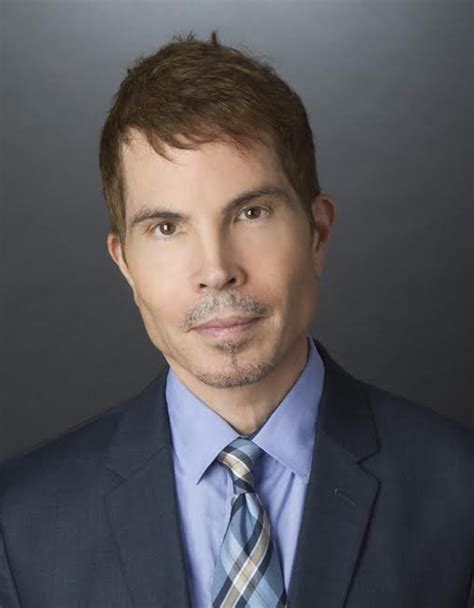
Posner is the author of thirteen acclaimed books, including New York Times nonfiction bestsellers Case Closed, Why America Slept and God’s Bankers. He is a contributor to Forbes. Posner was a finalist for the Pulitzer in History. “A merciless pit bull of an investigator” concluded the Chicago Tribune. The New York Times said his latest book (2020), PHARMA, was “a withering and encyclopedic indictment of a drug industry that often seems to prioritize profits over patients…[it] reads like a pharmaceutical version of cops and robbers."
From Law to Writing
Posner was one of the youngest attorneys (23) ever hired by Cravath, Swaine & Moore. A Political Science major, he was a Phi Beta Kappa and Summa Cum Laude graduate of the University of California at Berkeley, where he was also a national debating champion. At Hastings Law School, he was an Honors Graduate and was the Law Review’s Associate Executive Editor. He was a litigation associate at the Wall Street law firm of Cravath, Swaine & Moore before leaving in 1981 to co-found Posner & Ferrara, a New York public interest law firm.
Several years of a pro bono legal representation on behalf of surviving twins of Nazi experiments at the Auschwitz death camp led him to coauthor his first book in 1986, MENGELE: The Complete Story, a bestselling and critically acclaimed biography of the infamous Nazi “Angel of Death,” Dr. Josef Mengele. Read a profile on Gerald on how the Mengele book led to him to leave the law. Publishers Weekly explains how he changed from being a Wall Street lawyer to b… Read More